West Asia Conflict Casts a Long Shadow Over Dharamshala's Tourism Economy
The picturesque hill station of Dharamshala in Himachal Pradesh, renowned globally as the home of the Dalai Lama and a hub for spiritual tourism, is facing an unprecedented economic downturn. The ongoing conflict in West Asia, particularly involving Israel, has triggered a sharp and sustained decline in tourist arrivals, severely impacting the local economy that heavily relies on tourism revenue.
Sharp Decline in Israeli and International Visitors
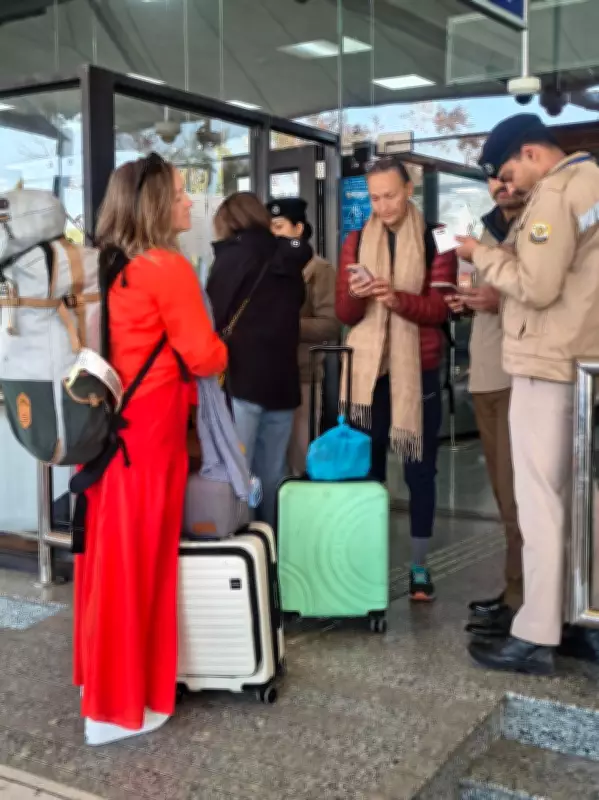
Dharamshala has traditionally been a major destination for Israeli tourists, especially backpackers and spiritual seekers drawn to its Tibetan culture and serene environment. However, since the escalation of hostilities in West Asia, there has been a dramatic drop in arrivals from Israel and other international markets. Local hoteliers, tour operators, and business owners report cancellations and a near-absence of bookings from these key visitor segments.
The economic ripple effects are profound. Many small businesses, including cafes, souvenir shops, and adventure tourism outfits, which depend on the steady flow of foreign tourists, are experiencing significant financial strain. Some establishments have been forced to reduce staff hours or temporarily shut down operations due to the lack of customers.

Impact on Local Livelihoods and Community Welfare
The tourism slump extends beyond commercial enterprises to affect the broader community. Guides, drivers, homestay owners, and artisans who cater to tourists are seeing their incomes plummet. This downturn threatens the livelihoods of thousands of families in the region, many of whom have few alternative sources of employment.
Community leaders and tourism associations have expressed deep concern, noting that the conflict's impact is exacerbating existing economic challenges. The situation highlights the vulnerability of tourism-dependent economies to global geopolitical events.Broader Implications for Himachal Pradesh's Economy
Dharamshala's struggles are a microcosm of broader issues facing Himachal Pradesh's tourism sector. The state, which attracts millions of visitors annually, is witnessing a contraction in international tourism due to the West Asia conflict. This decline could have lasting effects on regional development projects and infrastructure investments tied to tourism growth.
Authorities and industry stakeholders are now exploring strategies to mitigate the impact, such as promoting domestic tourism and diversifying marketing efforts to other international markets. However, these measures may take time to yield results, leaving the local economy in a precarious position in the interim.
The conflict in West Asia serves as a stark reminder of how interconnected global events can directly influence local economies, even in remote regions like Dharamshala. As the situation unfolds, the resilience of this Himalayan community will be tested, with hopes pinned on a swift resolution to the conflict and a recovery in tourist inflows.