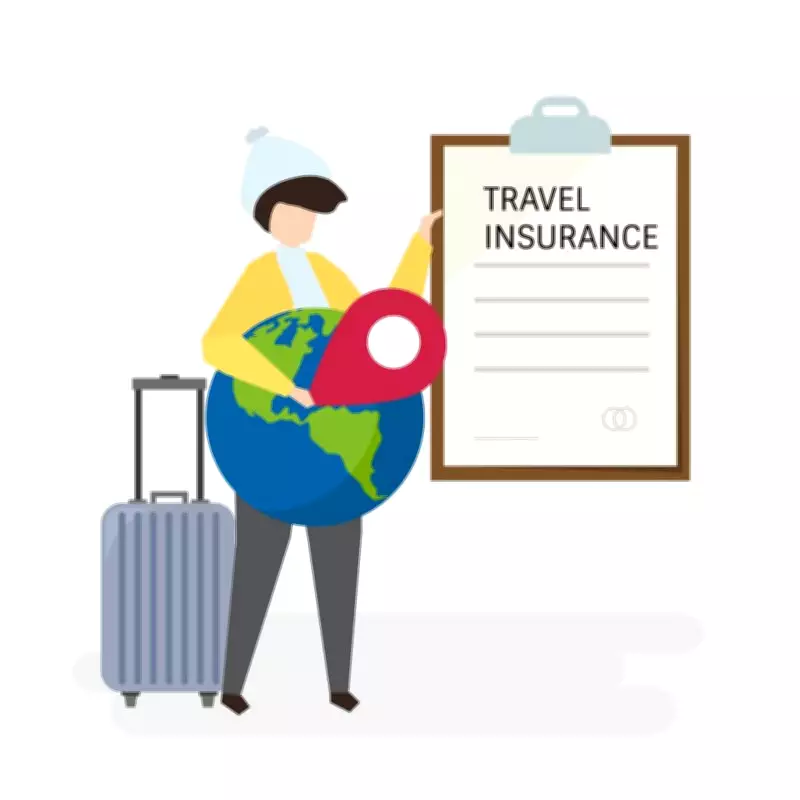
The Rise of Mandatory Travel Insurance Policies
In a significant shift in global travel norms, an increasing number of countries are now making travel insurance a compulsory requirement for entry. This trend, which has accelerated in recent years, is reshaping how tourists and business travelers plan their international trips.
Key Drivers Behind the Mandate
Health Crises and Pandemic Preparedness: The COVID-19 pandemic served as a major catalyst for this change. Nations realized the financial burden of treating uninsured foreign nationals during health emergencies. By requiring insurance, governments aim to ensure that visitors can cover their own medical expenses, reducing strain on public healthcare systems.
Economic Pressures and Tourism Sustainability: Many countries, especially those with developing economies, face challenges in managing the costs associated with tourist incidents. From accidents to natural disasters, uninsured travelers can lead to significant public expenditure. Mandatory insurance helps mitigate these risks, promoting more sustainable tourism models.

Safety and Risk Management: Beyond health, travel insurance often covers other risks like trip cancellations, lost luggage, and emergency evacuations. By mandating it, countries enhance overall visitor safety and reduce liabilities, creating a more secure environment for both tourists and locals.
Global Examples and Implementation
Several nations have already implemented strict requirements. For instance, countries in the Schengen Area often demand proof of travel insurance with minimum coverage for visa applications. Similarly, destinations in the Caribbean and parts of Asia have introduced similar mandates, particularly post-pandemic.
The specifics vary by country, but common requirements include:
- Minimum medical coverage amounts, often ranging from $30,000 to $100,000.
- Coverage for COVID-19-related treatments and quarantine costs.
- Policies valid for the entire duration of the stay.
- Proof of insurance presented at border control or during visa processing.
Impact on Travelers and the Industry
For travelers, this trend means added costs and planning steps. However, it also offers peace of mind, ensuring protection against unforeseen events. The travel industry has adapted by offering more tailored insurance products, with airlines and tour operators often integrating insurance options into booking processes.
Experts note that this shift could lead to more standardized global travel protocols, potentially simplifying cross-border movements in the long run. As countries continue to prioritize health and economic stability, mandatory travel insurance is likely to become even more widespread, influencing how we explore the world in the years to come.