Among the approximately 195 countries spanning the globe, using nearly every letter from A to Z, a unique geographical trivia stands out: there is only one nation whose name begins with the letter 'Y'. This distinction belongs to the Republic of Yemen, a land of profound historical significance and breathtaking landscapes.
The Cradle of Coffee and Ancient Trade
Nestled in the southwestern corner of the Arabian Peninsula, Yemen boasts a rugged, mountainous terrain and a surprisingly diverse climate. Its strategic position at the southern entrance of the Red Sea established it as a historic epicenter for trade, agriculture, and cultural interchange for centuries. Renowned in antiquity for its valuable exports of frankincense, myrrh, and spices, the region was so prosperous that the Romans called it Arabia Felix, or 'Fortunate Arabia'. Furthermore, Yemen holds the prestigious title of being the place where coffee was first cultivated for commercial purposes, making it the true birthplace of this globally beloved beverage.
A Nation with Two Capitals
Modern Yemen presents a unique administrative structure with two capital cities, a reflection of its complex political history. Sanaa serves as the political capital, historically the heart of North Yemen (the Yemen Arab Republic), and it remains the seat of government. In contrast, the port city of Aden functions as the economic capital, hearkening back to its role as the capital of South Yemen. This division is a direct result of the 1990 unification of the two formerly separate states, whose histories diverged significantly; North Yemen was never colonized, while South Yemen was a British colony until 1967.

Stepping into History in Sana'a
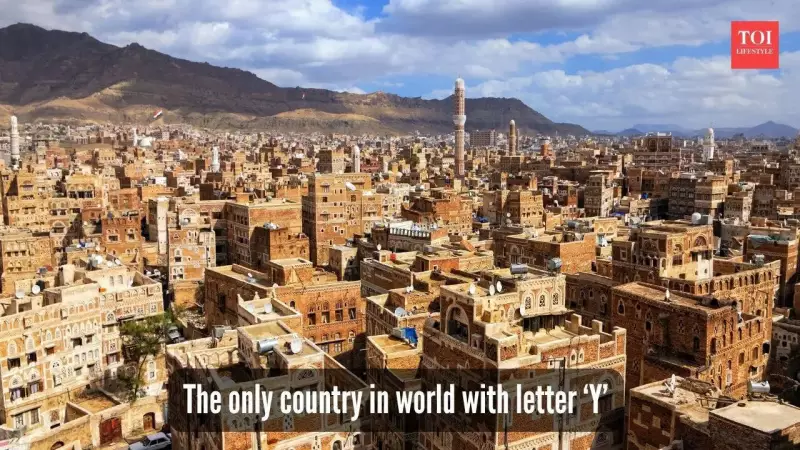
The capital, Sana'a, offers visitors an unparalleled journey back in time with a history stretching over 2,500 years. Its Old City, a designated UNESCO World Heritage site, is famous for its stunning mud-brick towers adorned with intricate white geometric patterns. Key landmarks include the magnificent Al-Saleh Mosque, the bustling and vibrant Yemen Gate Market (Bab al-Yemen), and the enlightening National Museum. For the most comfortable experience, the ideal time to visit is between November and February when the climate is at its most pleasant.
The Alien Beauty of Socotra Island
Often referred to as the 'Galápagos of the Indian Ocean', Socotra Island is a naturalist's dream, home to a wealth of unique flora and fauna found nowhere else on the planet. The island is famed for the surreal, umbrella-shaped Dragon's Blood Tree. Visitors are drawn to the otherworldly landscapes of the Dixsam Plateau, the pristine shores of Qalansiyah Beach, and the vast, awe-inspiring chambers of Hoq Cave with its massive stalactites. The dry season, from October to April, is the perfect window for exploration, with eco-lodges and campsites offering authentic stays amidst nature.
Shibam: The Manhattan of the Desert
The ancient city of Shibam, a UNESCO World Heritage site dating back to the 3rd century, is famously nicknamed the 'Manhattan of the Desert'. This is due to its spectacular skyline of over 500 mud-brick high-rise buildings, some soaring up to 11 stories tall. Wandering its narrow streets feels like navigating a labyrinth of ancient, earthen towers. The surrounding Wadi Hadramaut valley offers stunning scenery for exploration. For a panoramic view of this architectural marvel, the Shibam Walls are a must-visit. The cooler months from October to March are the best time to experience Shibam, with cozy guesthouses located within the old city walls.

Yemen's Diverse Climate, People, and Wildlife
Yemen's climate is remarkably varied, ranging from tropical conditions along the coastal areas near Aden and Hodeidah to much cooler, temperate weather in the high-altitude regions like Sanaa. The population is predominantly Arab, with deep-rooted historical and tribal divisions between the northern and southern parts of the country. The land supports diverse flora, from arid coastal plants to temperate mountain crops like the renowned coffee and khat. Unfortunately, rapid population growth has led to significant deforestation. While Yemen's wildlife once included majestic creatures like lions and ostriches, many species have seen severe declines. In contrast, its coastal waters remain rich with marine life, including tuna and shrimp.