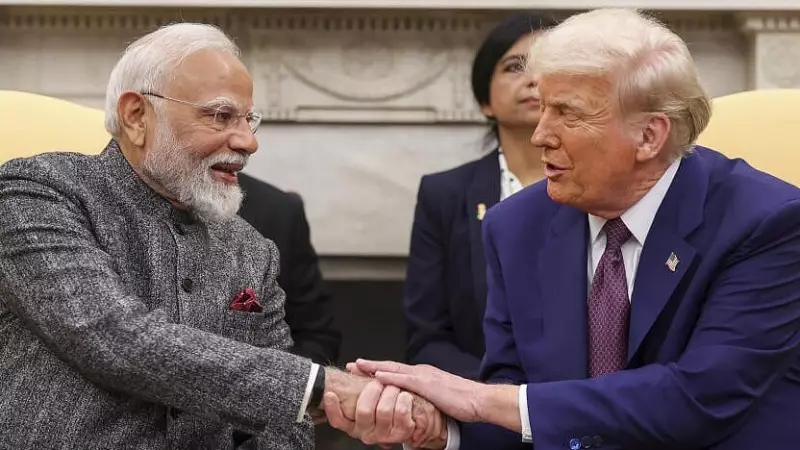
The year 2025 emerged as a critical stress test for the strategic partnership between India and the United States. A complex web of geopolitical and economic issues, including contentious tariffs, divergent approaches towards Russia, ongoing conflict dynamics with Pakistan, and persistent H-1B visa concerns, placed significant strain on bilateral diplomacy. Navigating these choppy waters required high-level engagement from both capitals.
A Symbolic Early Meeting: Modi Visits Trump
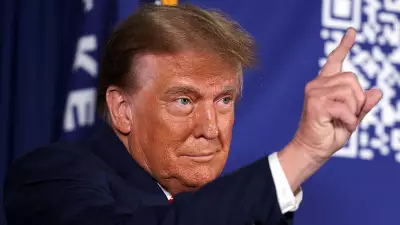
One of the most significant diplomatic events of the year occurred shortly after the inauguration of Donald Trump as the 47th President of the United States. Indian Prime Minister Narendra Modi secured an early audience with the new American leader, underscoring the importance both nations placed on the relationship. PM Modi was only the fourth foreign dignitary to meet President Trump in the weeks following his inauguration, following the leaders of Israel, Japan, and Jordan. This early meeting, reported on December 28, 2025, was seen as a crucial opportunity to set the tone and establish direct channels of communication amidst brewing challenges.
Key Pressure Points in the Bilateral Relationship
The bilateral agenda was dominated by several thorny issues. On the economic front, the threat or implementation of new tariffs by the US administration posed a risk to growing trade ties. Simultaneously, India's long-standing and strategic relationship with Russia continued to be a point of friction with Washington, which maintained a firm stance against Moscow.

Security concerns in South Asia also came to the fore. The perennial conflict with Pakistan and the US's role in the region demanded careful diplomatic management from New Delhi. Furthermore, the H-1B visa program, vital for Indian skilled professionals and the IT sector, remained a contentious topic, with potential policy shifts causing anxiety in Indian industry circles.
Navigating a Multipolar World Order
The events of 2025 highlighted India's delicate balancing act in a multipolar world. The nation's foreign policy was tested as it sought to maintain its strategic autonomy, especially concerning its defence and energy ties with Russia, while nurturing its crucial partnership with the United States. The early Modi-Trump meeting was a clear attempt to prevent misunderstandings and find common ground on these divergent issues.
The outcomes of these diplomatic manoeuvres had far-reaching implications. They influenced not only bilateral trade and security cooperation but also the broader geopolitical alignment in the Indo-Pacific region. The ability of both democracies to manage their disagreements while focusing on convergent interests, such as countering Chinese influence and promoting a free and open Indo-Pacific, defined the resilience of the partnership through a turbulent year.