The year 2025 was supposed to bring finality to the long-shadowed Jeffrey Epstein saga through a promise of transparency. Instead, it delivered a slow-motion explosion of documents—late, heavily redacted, and often contradictory—that has reignited one of America's most combustible scandals. What began as an attempt to force accountability through the Epstein Files Transparency Act has morphed into a chaotic revelation of how power, secrecy, and institutional protection operate at the highest levels.
The Transparency Act That Unraveled
Signed into law by President Trump, the Epstein Files Transparency Act mandated the Justice Department to release all related documents by December 19, 2025. The move was framed as an act of confidence. However, the deadline came and went with the DOJ admitting it had missed its own target. The department revealed the FBI had "uncovered over a million more documents" and requested more time, fueling accusations of deliberate delay from Democrats and frustration from survivors.
The subsequent releases were fragmented and problematic. Agencies admitted they were still discovering material. Pages arrived with extensive blackouts, described by survivors as "abnormal" redactions. In a bizarre twist, the Justice Department itself had to warn the public that the trove included "untrue and sensationalist" allegations, creating a paradox where officially released documents came with a state-issued disclaimer about their trustworthiness.

Names, Allegations, and the Evidence Drip
The documents, though messy, have painted a detailed and damning picture of Epstein's world and its elite connections. A central figure is former President Donald Trump. Despite his 2024 social media post claiming, "I was never on Epstein's Plane, or at his 'stupid' Island," the files suggest otherwise. A January 2020 email from the Southern District of New York notes Trump was listed as a passenger on at least eight flights on Epstein's jet between 1993 and 1996, sometimes with family members.
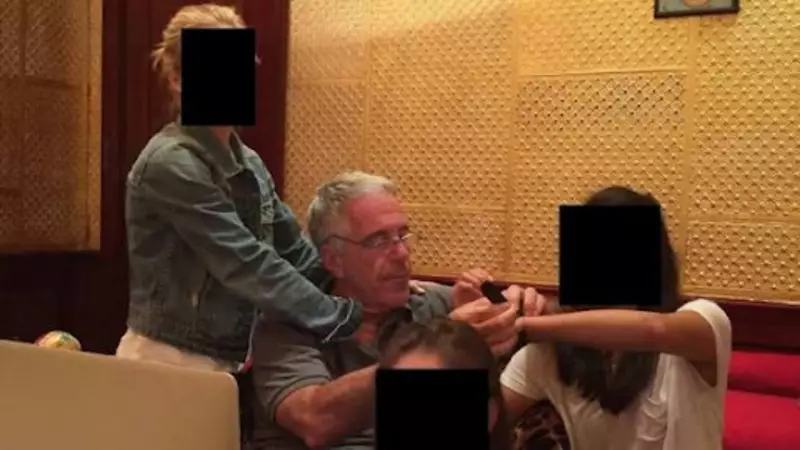
More chilling are the raw allegations buried within. An FBI intake report from October 2020 records a former limousine driver recounting a woman's claim that "Donald J Trump had raped her along with Jeffrey Epstein." The same driver describes a disturbing phone call he allegedly overheard. These are unproven allegations, not charges, but they form part of the narrative now in the public domain. Visual evidence added another layer: among photos from Epstein's island released by House Democrats was a bowl of novelty "Trump condom[s]" and an image of Trump with women whose faces were redacted.
The scandal's orbit extends far wider. The files contain numerous references and photos of Bill Clinton in Epstein's world. They also include new details about Prince Andrew, suggesting he asked Ghislaine Maxwell for "friendly and discreet and fun" girls. The contact lists read like a who's who of global influence: from Michael Jackson and Mick Jagger to Bill Gates, Elon Musk, and Steve Bannon. Their presence is not proof of guilt but underscores the rarefied circles Epstein inhabited.
The Core Crime and the Unanswered Questions
Beneath the politics and celebrity names, the files brutally detail Epstein's predatory system. Notes reveal his specific preference for young girls, with one potential recruit rejected as "too old" at 23. A handwritten note complains about someone bringing "more older girls," indicating a deliberate pursuit of minors. The evidence—passports, texts offering girls with ages and measurements, quotes from "Lolita" inked on bodies—lays bare the cold logistics of exploitation.
Only two people have faced sex-trafficking charges at the heart of this network: Jeffrey Epstein, who died in custody in 2019, and Ghislaine Maxwell, now serving a 20-year sentence. From prison, Maxwell attempted to appeal her sentence, calling her association with Epstein her "greatest regret." The Supreme Court declined to hear her case.

The 2025 document dump, mandated by law, has ultimately exposed less about Epstein's crimes—which are well-documented—and more about the systems that enabled him and struggled to deliver truth. It reveals a story of missed deadlines, excessive redactions, and a cast of powerful associates living in a gray zone of association. For the survivors, it is a familiar pattern: a system promising clarity but demonstrating a profound lack of accountability. The files have blown up, but the full truth remains frustratingly obscured.