

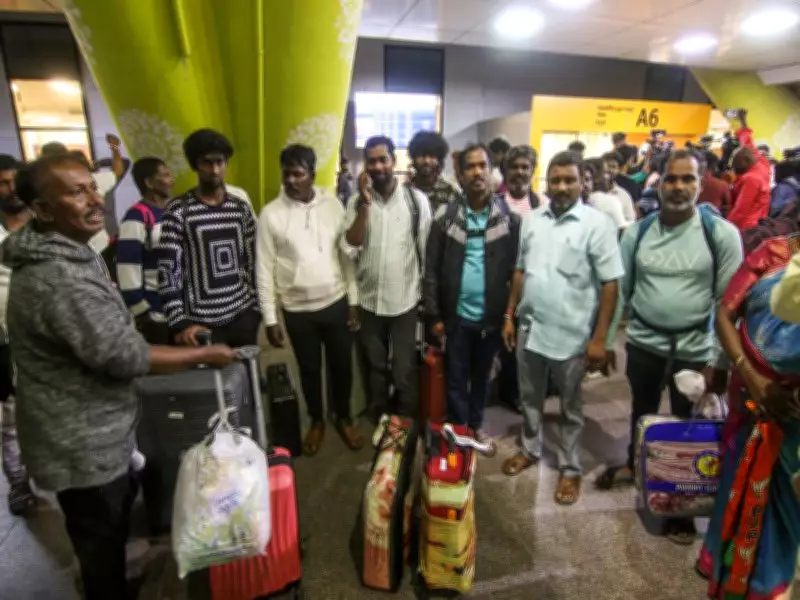
312 Indian Fishermen Stranded in Iran Safely Return Home via Armenia
In a significant diplomatic achievement, a total of 312 Indian fishermen who were stranded in Iran have been successfully repatriated to India, with their return facilitated through Armenia. The operation was officially confirmed by External Affairs Minister Dr. S. Jaishankar, highlighting the coordinated efforts of the Indian government to assist its citizens abroad.
Diplomatic Coordination Ensures Safe Passage
The fishermen, who had been facing uncertain conditions in Iran due to various logistical and administrative challenges, were brought back to India in a carefully orchestrated move. The repatriation process involved close collaboration between Indian diplomatic missions in Iran and Armenia, as well as local authorities in both countries. This multi-nation effort underscores India's commitment to safeguarding the welfare of its nationals overseas, particularly in regions where they may be vulnerable or in distress.
The role of Armenia as a transit point was crucial in this operation, enabling the smooth transfer of the fishermen back to Indian soil. External Affairs Minister Jaishankar emphasized the importance of such international partnerships in resolving humanitarian crises, noting that the safe return of these individuals reflects the effectiveness of India's diplomatic outreach and crisis management protocols.

Background and Challenges Faced by the Fishermen
The fishermen had been stranded in Iran for an extended period, grappling with issues related to documentation, employment disputes, and travel restrictions. Many of them were working in the fishing industry when they encountered unforeseen circumstances that left them unable to return home. The Indian government, through its embassies and consulates, actively engaged with Iranian officials to address these challenges and secure the necessary clearances for their departure.
This incident sheds light on the broader challenges faced by Indian migrant workers in foreign countries, particularly in sectors like fishing where labor conditions can be precarious. The successful repatriation serves as a reminder of the need for robust mechanisms to protect the rights and safety of Indian citizens working abroad, especially in regions with complex geopolitical dynamics.
Government's Response and Future Measures
In response to this situation, the Ministry of External Affairs has reiterated its dedication to providing consular assistance and support to Indians in distress overseas. The repatriation of the 312 fishermen is part of a larger framework of efforts by the Indian government to bring back stranded citizens from various parts of the world, particularly during times of crisis or conflict.
Key steps taken in this operation include:
- Establishing communication channels with the fishermen and their families to assess their needs and provide updates.
- Coordinating with Iranian and Armenian authorities to arrange travel documents and logistical support.
- Ensuring the health and safety of the fishermen during their transit and upon arrival in India.
Looking ahead, the government plans to enhance its outreach and preparedness for similar situations, with a focus on preventive measures and faster response times. This includes strengthening bilateral agreements with countries hosting large numbers of Indian workers and improving awareness among citizens about consular services available to them.
Implications for India's Foreign Policy
The successful return of the fishermen not only addresses an immediate humanitarian concern but also reinforces India's diplomatic ties with Iran and Armenia. It demonstrates India's ability to navigate complex international scenarios and leverage its relationships to achieve positive outcomes for its citizens. Such actions contribute to building trust and cooperation with partner nations, which is essential for addressing shared challenges in the global arena.

In conclusion, the repatriation of 312 Indian fishermen from Iran via Armenia marks a commendable effort by the Indian government, showcasing its proactive approach to citizen welfare and diplomatic engagement. As these individuals reunite with their families, this event serves as a testament to the resilience of India's foreign policy and its unwavering commitment to protecting its people, no matter where they are in the world.





