In a significant statement outlining the current state of Afghanistan's foreign relations, the country's acting Minister of Public Health, Qalandar Ebad, has drawn a sharp contrast between its partnerships with two key South Asian neighbours. He described Afghanistan's relationship with India as strong and cooperative, while simultaneously stating that ties with Pakistan have significantly deteriorated.
A Tale of Two Neighbours: Contrasting Foreign Policy Realities
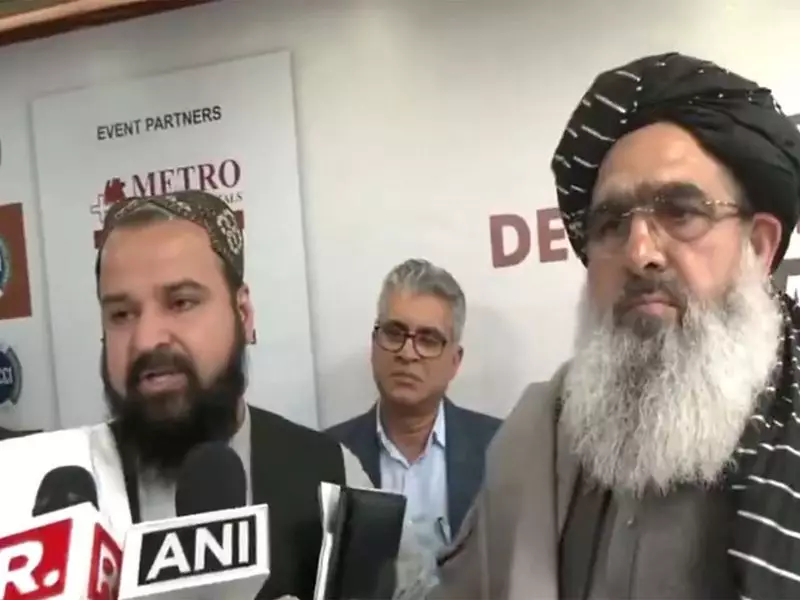
The minister's comments were made during an interview with Afghanistan's TOLOnews, where he provided a candid assessment of the diplomatic landscape under the Taliban-led government. Qalandar Ebad explicitly stated, "Our relationship with India is good and strong. The relationship with Pakistan has deteriorated." This clear delineation underscores the shifting geopolitical alignments in the region following the Taliban's return to power in Kabul in August 2021.
Ebad's remarks are particularly noteworthy as they come from a senior figure within the Afghan administration, offering an official perspective on the state of bilateral engagements. The characterization of the relationship with Pakistan as "deteriorated" points to ongoing and serious tensions, which have been fueled by cross-border security issues, the presence of militant groups, and disputes over border management.

India's Role: A Reliable Partner in Health and Development
Highlighting the positive aspect of his statement, Minister Ebad detailed the substance of Afghanistan's partnership with India. He emphasized that India has been a consistent provider of crucial medical assistance. "India has good cooperation with us and has given us medical assistance. They have given us medical equipment too," Ebad affirmed.
This cooperation is part of India's longstanding development-oriented approach towards Afghanistan, which has included the construction of major infrastructure projects like the Salma Dam and the new Afghan Parliament building. Even after the Taliban takeover, India has continued humanitarian support, sending shipments of wheat, medicines, and COVID-19 vaccines through diplomatic channels. The health sector collaboration mentioned by Ebad is a direct continuation of this policy, focusing on immediate humanitarian needs.
Underlying Tensions and Regional Implications
The minister's frank acknowledgment of strained ties with Pakistan reflects deep-seated issues. The primary friction points include accusations from Kabul that Pakistan harbours and supports militants launching attacks on Afghan soil, a claim Pakistan denies. Conversely, Islamabad alleges that Afghan territory is used by militants targeting Pakistan, a charge the Taliban government has been reluctant to fully address.
This public declaration from a cabinet minister solidifies the perception that the Taliban government, despite historical links to Pakistan, is seeking to assert a more independent foreign policy. Cultivating a strong relationship with India serves as a strategic counterbalance and provides an alternative avenue for humanitarian and potential economic engagement. However, it also complicates the already volatile regional security dynamics.
The situation presents a complex diplomatic challenge for all parties involved. For India, it reinforces the value of its soft-power diplomacy and humanitarian aid in maintaining influence in Afghanistan. For Pakistan, the comments signal a need for urgent dialogue to address the core security concerns that have led to the relationship's decline. For the international community, it highlights the intricate balancing act required to engage with the Afghan regime while addressing regional stability concerns.
Ultimately, Qalandar Ebad's statement is more than a simple comparison; it is a snapshot of Afghanistan's current foreign policy priorities. It reveals a government leaning on reliable humanitarian partners like India while grappling with the immense challenge of managing a contentious and broken relationship with its immediate neighbour, Pakistan. The path forward will depend heavily on whether these diplomatic rifts can be bridged or if they will further define the new era of Afghan governance.