

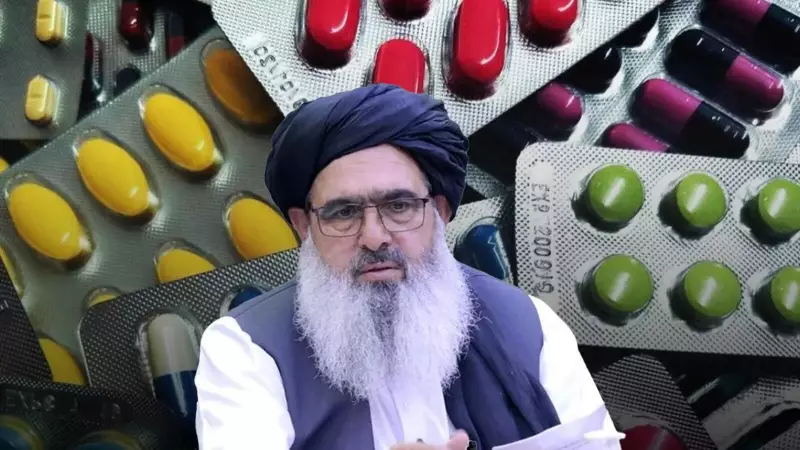
In a significant diplomatic development, Afghanistan has openly pivoted towards India for crucial pharmaceutical supplies, citing a serious deterioration in its relationship with neighbouring Pakistan. The candid admission came from the country's Health Minister during an official visit to New Delhi, marking a notable shift in regional alliances.
A Candid Admission of Shifting Alliances
Afghan Health Minister Mawlawi Noor Jalal Jalali made the revealing comments while in India's capital. He stated that the declining state of relations with Islamabad has compelled Kabul to actively seek new and reliable partners. In this search, India has emerged as a trusted alternative for sourcing essential medicines and medical supplies.
The minister's remarks, made on December 20, 2025, are seen as a rare public acknowledgment of the strained cross-border dynamics. This visit underscores how health and humanitarian needs are increasingly influencing foreign policy and reshaping traditional geopolitical equations in South Asia.

India's Commitment to Humanitarian Aid
During the meetings in New Delhi, Indian officials reiterated their nation's steadfast commitment to providing humanitarian assistance to Afghanistan. This support is set to include vital supplies such as cancer medications and vaccines, addressing critical gaps in the Afghan healthcare system.
This engagement highlights India's continued role in the region, even as it navigates a complex geopolitical landscape. The focus on health diplomacy allows India to maintain a constructive and impactful presence in Afghanistan, fostering goodwill and stability through direct aid.
Broader Implications for Regional Diplomacy
The Afghan minister's statement is more than a procurement announcement; it signals a deeper realignment. The choice of India for a lifeline like medicine supplies reflects a profound loss of confidence in the traditional corridor through Pakistan.
This development places India in a pivotal position, strengthening its role as a key regional partner for Afghanistan. It demonstrates how soft power, exercised through sectors like healthcare, can effectively alter strategic partnerships and build enduring bridges between nations, irrespective of challenging political circumstances.






