

Union Home Minister Amit Shah has stated that the central government aims to completely withdraw the Armed Forces (Special Powers) Act (AFSPA) from almost the entire Northeast region by 2027. This announcement comes amid reports of improved security conditions and a decline in insurgency activities across the region.
Significant Progress in Peace Efforts
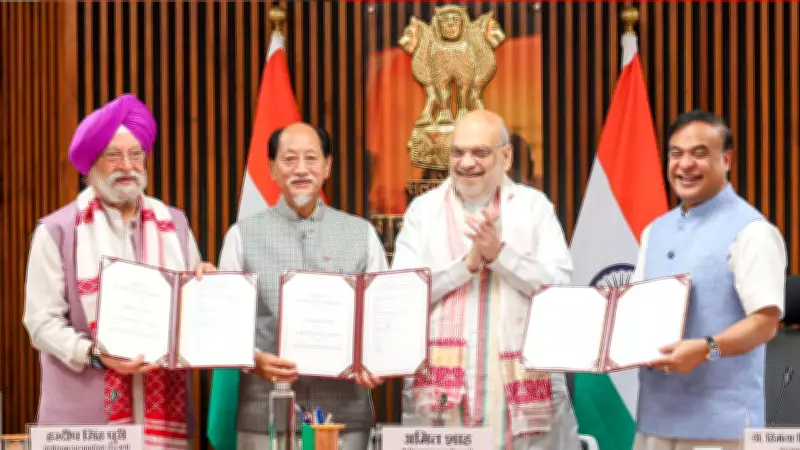
Shah highlighted that approximately 80 percent of the Northeast is already free from AFSPA. He attributed this progress to the 12 peace accords signed in recent years, which have helped restore stability and normalcy. The Home Minister made these remarks during the signing of a Memorandum of Understanding (MoU) between the Centre, Assam, and Nagaland for oil and gas exploration.
MoU for Energy Security
The MoU, signed in the presence of Shah, is seen as a major step towards enhancing India's energy security. It also underscores the spirit of cooperative federalism and regional development. Shah emphasized that the agreement would boost economic growth and create new opportunities in the region.

Impact on Regional Stability
The potential withdrawal of AFSPA is expected to further strengthen the peace process in the Northeast. Local communities and civil society groups have long called for the revocation of the act, citing human rights concerns. The government's move is likely to be welcomed by these groups, as it signals a shift towards normalcy and civilian governance.
Shah's announcement reflects the Centre's confidence in the improving law and order situation in the region. With sustained peace efforts and developmental initiatives, the Northeast is poised for a new era of growth and stability.






