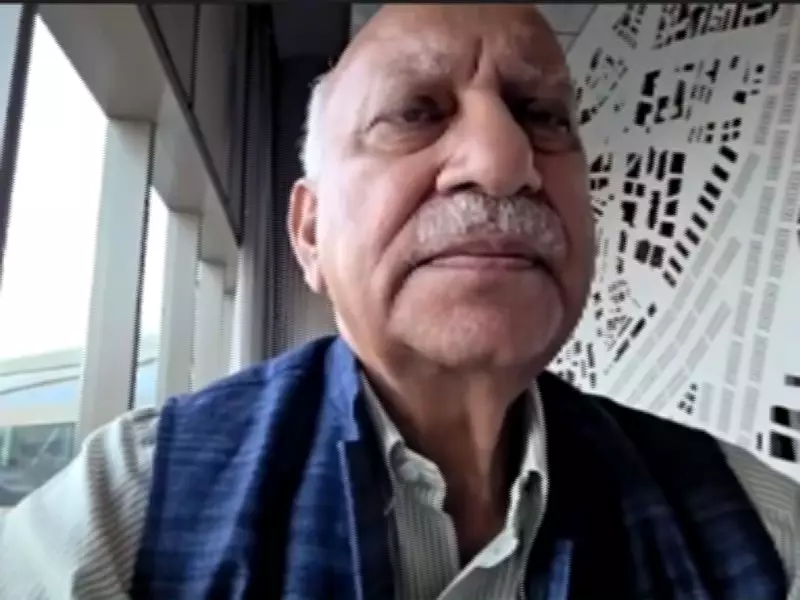
Former Indian Minister M.J. Akbar Denounces Iran Nuclear Ceasefire as a 'Hoax' Without Dialogue
In a sharp critique of international diplomacy, former Minister of State for External Affairs M.J. Akbar has declared that any ceasefire agreement with Iran that does not include substantive talks on its nuclear program is nothing but a "hoax". His remarks highlight growing concerns over the effectiveness of diplomatic efforts in the volatile Middle East region.
Akbar's Stance on Nuclear Negotiations
Akbar, a seasoned diplomat and former journalist, emphasized that ceasefire deals lacking nuclear program discussions are fundamentally flawed. He argued that such agreements fail to address the core issues driving tensions, thereby offering only a temporary respite rather than a lasting solution. According to him, this approach undermines global security and regional stability.
Context of Iran's Nuclear Ambitions
Iran's nuclear program has long been a contentious issue on the world stage, with international powers seeking to curb its development through sanctions and diplomatic pressure. Akbar pointed out that bypassing nuclear talks in ceasefire arrangements allows Iran to continue its activities unchecked, potentially escalating conflicts in the future. He called for a more integrated strategy that combines ceasefire measures with rigorous negotiations on nuclear disarmament.

Implications for Global Diplomacy
Akbar's comments come at a time when diplomatic efforts in the Middle East are increasingly fragmented. He warned that short-term ceasefire agreements without nuclear dialogue could lead to renewed hostilities, as they do not resolve underlying geopolitical tensions. His perspective underscores the need for comprehensive peace processes that tackle all aspects of regional disputes, including nuclear proliferation.
Reactions and Broader Impact
While Akbar did not specify recent ceasefire deals, his critique is seen as a reflection of broader skepticism among some diplomatic circles. Experts note that his views could influence discussions on Iran policy, urging stakeholders to prioritize nuclear negotiations in any peace initiatives. This stance aligns with calls for more transparent and effective international diplomacy to prevent future crises.