The year 2025 proved to be a period of significant turbulence for India's northeastern state of Arunachal Pradesh, weaving together strands of international diplomacy, public dissent, and environmental challenges into a complex annual narrative.
The Pivotal Incident: An 18-Hour Ordeal in Shanghai
The episode that dominated headlines and sparked a diplomatic conversation involved Pema Wangjom Thongdok, a native of Arunachal Pradesh who was residing in the United Kingdom. In a startling incident in November 2025, Thongdok faced an unexpected hurdle during international travel. While transiting through Shanghai airport in China on a journey from London to Japan, he was allegedly detained by authorities.
Reports confirmed that his detention lasted for nearly 18 hours. This event quickly escalated from a personal travel disruption to a point of national and diplomatic concern, highlighting the ongoing sensitivities regarding Arunachal Pradesh's status between India and China.
A Year of Domestic Unrest and Environmental Fury
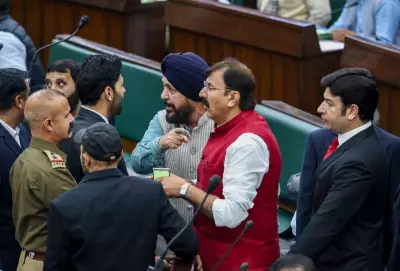
Beyond the international spotlight, the state grappled with substantial internal challenges throughout the year. Widespread protests erupted across Arunachal Pradesh, reflecting public discontent on various fronts. While the specific catalysts for all protests were varied, they collectively painted a picture of a populace actively voicing its grievances and demanding action from governing bodies.
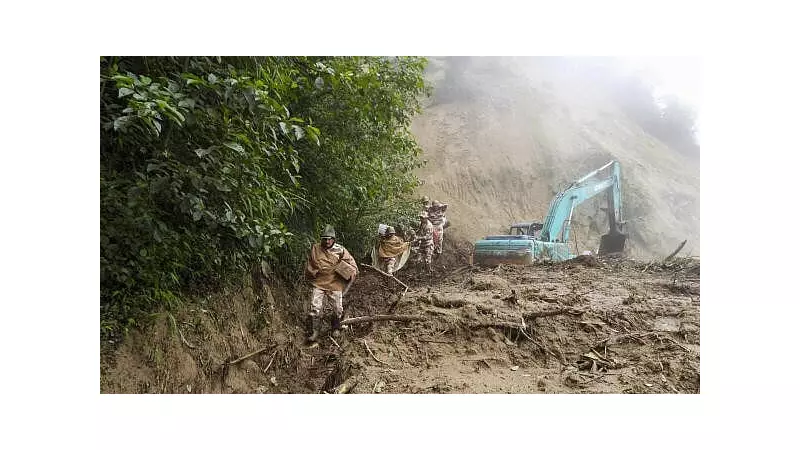
Adding to the year's difficulties, natural disasters struck the region. The state's rugged terrain and ecological sensitivity made it vulnerable to climatic extremes, which manifested in destructive events that impacted communities, infrastructure, and the local economy. These disasters compounded the existing stresses, creating a multifaceted crisis for administration and citizens alike.
Repercussions and the Road Ahead
The convergence of these events—a high-profile detention igniting diplomatic friction, sustained domestic protests, and the wrath of nature—defined Arunachal Pradesh's 2025 as exceptionally challenging. The detention of Pema Wangjom Thongdok underscored the persistent geopolitical undercurrents affecting the state's residents, even those abroad.
Simultaneously, the internal protests signaled pressing local issues requiring resolution. The natural disasters served as a stark reminder of the increasing environmental vulnerabilities facing the region. Together, these factors placed immense pressure on governance, disaster management, and diplomatic channels. As the year drew to a close, the experiences of 2025 were poised to influence policy discussions, strategic planning, and public discourse concerning Arunachal Pradesh's future stability and development.