

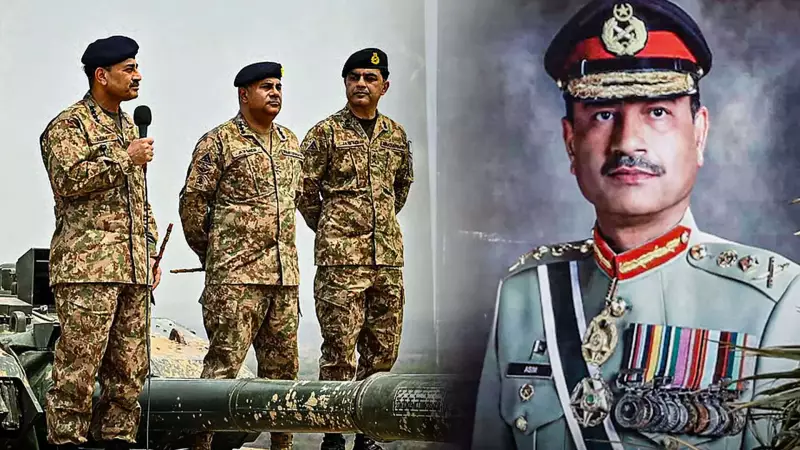
In a landmark decision that reshapes Pakistan's power structure, President Asif Ali Zardari has formally approved the appointment of Field Marshal Asim Munir as the country's first-ever Chief of Defence Forces (CDF). This move grants Munir an unprecedented level of authority over the nation's armed forces and strategic assets.
A Notification Mired in Political Tension
The approval came following a recommendation from Prime Minister Shehbaz Sharif, but not without significant drama. The process was delayed for days, triggering intense speculation. Analysts point out that Prime Minister Sharif made sudden trips abroad, seemingly to avoid signing the crucial notification himself. This manoeuvre is widely interpreted as an attempt to sidestep potential backlash from both political rivals and factions within the powerful military establishment.
Unprecedented Consolidation of Power
The creation of the CDF post was facilitated through the 27th Constitutional Amendment, designed to centralise military command. The role places oversight of Pakistan's nuclear arsenal and key strategic operations under a single head. In a historic first, Asim Munir will now serve a five-year term holding the dual positions of both Chief of Defence Forces and Chief of Army Staff.

This consolidation marks the most significant shift in Pakistan's military hierarchy since the era of Ayub Khan. It effectively ends the traditional separation of command among the army, navy, and air force, funneling ultimate authority to one individual.
Implications for Pakistan's Fragile Democracy
The move has drawn sharp criticism from observers who argue it severely deepens the existing civil-military imbalance. This concern is particularly acute given Pakistan's ongoing economic crisis and political instability. Critics warn that concentrating such immense power could undermine democratic governance.
The delay in the notification also exposed a critical constitutional loophole. For a brief period, Pakistan was technically without a clearly designated Army Chief or a confirmed holder of the nuclear command authority, highlighting systemic vulnerabilities.
Asim Munir's ascent to this newly forged position signals a new chapter in Pakistan's history, one where military authority is more centralized than ever before, with profound implications for the region's geopolitical landscape.






