Baner Ramp Opening Delayed as PMRDA Awaits Safety Report After Mumbai Incident
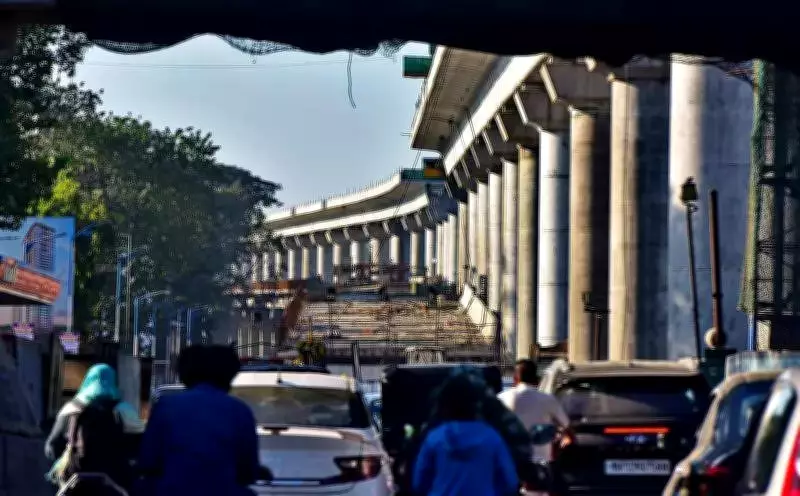
The opening of the Baner-side ramp at the integrated double-decker flyover at University Chowk in Pune is likely to face further delays. The Pune Metropolitan Region Development Authority (PMRDA) announced on Thursday that the structure will only be opened to the public after receiving a comprehensive safety and durability report from the concessionaire. Officials emphasized that there is no urgency to commission the ramp without completing all necessary technical checks, prioritizing public safety over expedited timelines.
Revised Timeline and Safety Concerns
Initially scheduled for a January 15 opening, the ramp's inauguration was postponed to January 31 as a precautionary measure. This decision was influenced by the recent collapse of a slab from an under-construction Metro rail girder bridge in Mumbai's Mulund area on February 14, which resulted in one fatality and three injuries. PMRDA Commissioner Yogesh Mhase stated that the authority will thoroughly verify the report before making a final decision on opening the ramp to traffic. "We are in no hurry and will seek the detailed report from the concessionaire. Once the report is submitted, it will be verified by our team, and only then will we open the ramp," he explained.
Durability tests are currently underway for the ramp, and Mhase confirmed that the earlier announced opening date has been set aside. The ramp will now remain closed until all required reports are submitted and meticulously scrutinized by PMRDA officials. This cautious approach underscores a commitment to ensuring structural integrity and preventing potential accidents.

Political and Public Safety Demands
In response to the Mumbai incident, Shivajinagar MLA Siddharth Shirole wrote a letter to the PMRDA commissioner, urging a comprehensive structural and on-site safety audit of the Baner ramp and the entire 23-kilometer Shivajinagar-Hinjewadi Metro route. Shirole acknowledged that opening the ramp is essential to alleviate traffic congestion along the busy Ganeshkhind route but stressed that it must not proceed without all due checks and reports. He called for:
- Identification of accident-prone stretches or design vulnerabilities.
- Verification of structural stability and compliance with approved engineering standards.
- Inspection of temporary construction arrangements, including scaffolding, barricading, overhead fixtures, and material storage.
Shirole emphasized that the focus must be on identifying and immediately rectifying any unsafe construction practices, such as loosely secured materials, exposed structural elements, or improperly stored equipment that could pose risks to vehicles and lives. He also advocated for strengthened coordination with the Pune Municipal Corporation (PMC), traffic authorities, and contractors to ensure prompt clearance of construction debris and implementation of adequate safety signage and protective measures.
Shirole concluded that development projects of this scale must reflect not only engineering excellence but also an uncompromising commitment to public safety, highlighting the broader implications for infrastructure projects in the region.