

Bangladesh's 2026 Parliamentary Election and July National Charter Referendum
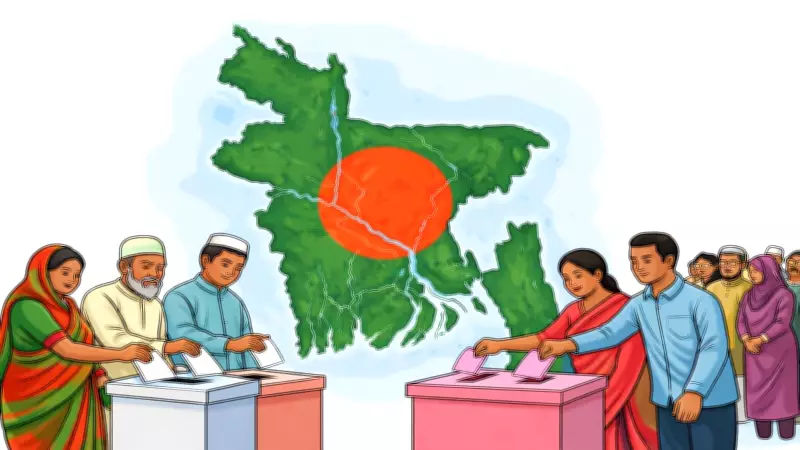
In a historic move, Bangladesh is set to hold its 13th Parliamentary Election on February 12, 2026, concurrently with a nationwide referendum on the July National Charter. This dual-polling event, announced by Chief Adviser Muhammad Yunus, represents the first general election since the removal of the Sheikh Hasina-led Awami League government in August 2024. The interim government has positioned this as a watershed moment aimed at transitioning from a period of mass uprising to a Second Republic focused on institutional accountability.
Understanding the July National Charter
The July National Charter is a comprehensive framework designed to dismantle what proponents call the autocratic structures of the past. It is not an immediate constitutional amendment but a political covenant signed by over 25 political parties, including the BNP and Jamaat-e-Islami. This charter outlines several key reform pillars intended to reshape Bangladesh's democratic landscape.
- Executive Limits: A proposed 10-year cap, equivalent to two terms, on the Prime Minister's tenure.
- Legislative Restructuring: Introduction of a bicameral Parliament with a 100-member Upper House to review legislation.
- Judicial and Electoral Independence: Restoration of the neutral Caretaker Government system and empowerment of the Election Commission.
- Fundamental Rights: Strengthening protections for citizens and granting legal recognition to the July Fighters of the 2024 uprising.
Referendum Format and Voting Process
Voters will be issued two ballots: a white ballot for selecting their local MP and a pink ballot for the referendum. The referendum presents a single, bundled question covering four major reform areas. According to Deputy Press Secretary Azad Majumdar, there is no option to selectively approve parts of the charter; a Yes vote consents to the entire package.

Comparative Analysis: Current vs. Proposed Systems
The July National Charter proposes significant changes compared to the current constitution. Below is a summary of key differences:
- Parliament Structure: Shifts from a unicameral system to a bicameral one with an Upper House.
- Executive Power: Imposes term limits on the Prime Minister, unlike the current unrestricted terms.
- National Identity: Replaces the ethnic term Bangalees with Bangladeshi to include all minorities.
- Legislative Freedom: Allows MPs to vote against party lines, except on specific bills, reducing the impact of anti-defection laws.
- Elections: Restores a neutral caretaker government to oversee polls, enhancing fairness.
- Judiciary: Establishes an independent commission for judge appointments, reducing executive influence.
- Women's Representation: Introduces candidate quotas to increase women's seats in Parliament.
- Opposition Role: Ensures structured oversight by mandating key positions for the opposition.
Legitimacy Concerns and Public Opinion
While the government cites maximum voter participation and cost-efficiency as reasons for the concurrent vote, this strategy has faced scrutiny. Critics argue that bundling reforms into a single referendum question may oversimplify complex issues. As of early February 2026, opinion polls by Innovision Consulting indicate approximately 59.5% support for the Yes vote, but with 22% of voters undecided, the outcome remains uncertain and sensitive to last-minute campaigning.

Potential Outcomes and Future Steps
The referendum results will dictate the next steps for Bangladesh's political future. If the Yes vote passes, the newly elected Parliament will act as a Constituent Assembly for its first 180 days to formalize the Charter into constitutional law. Conversely, if the No vote wins, the incoming government will not be bound by the Charter, potentially leading to a return to the previous constitutional framework. This election and referendum are poised to be a defining moment in Bangladesh's history, with implications for governance, rights, and democratic stability.





