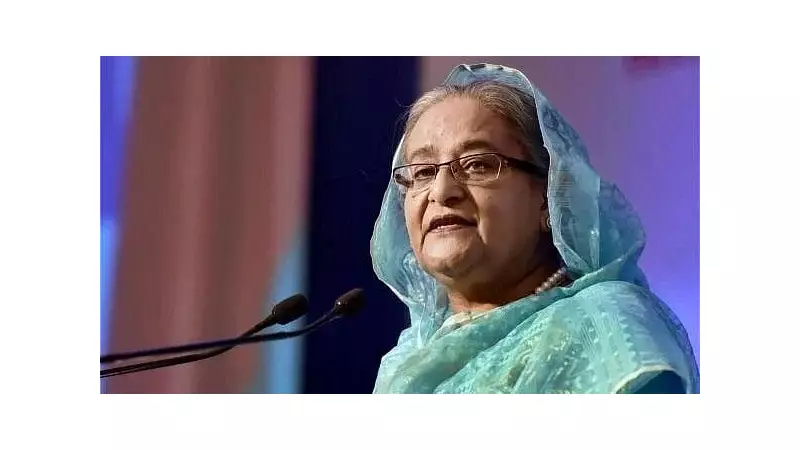
Bangladesh has formally raised diplomatic concerns regarding an address delivered by former Prime Minister Sheikh Hasina from within India. This development marks a significant moment in the bilateral relations between the two neighboring South Asian nations, highlighting the complex political dynamics at play.
Background of Sheikh Hasina's Presence in India
Sheikh Hasina, the 78-year-old former leader of Bangladesh, has been residing in India since August 2024. Her relocation followed the dramatic collapse of her government, which was precipitated by a massive, nationwide student-led agitation. The protests, which gained immense momentum, ultimately led to her political downfall and subsequent departure from Dhaka, the capital of Bangladesh.
Details of the Diplomatic Concern
The specific nature of Bangladesh's concern revolves around the content and implications of Sheikh Hasina's recent address made from Indian soil. While the exact details of her speech have not been fully disclosed in public reports, it is understood that the Bangladeshi government views her statements as potentially inflammatory or disruptive to the current political stability within Bangladesh.

This diplomatic note underscores the sensitive nature of hosting political figures from neighboring countries, especially those involved in recent domestic upheavals. India, as a regional power, often finds itself at the center of such geopolitical intricacies.
Regional Implications and Bilateral Relations
The situation poses challenges for India-Bangladesh relations, which have historically been characterized by cooperation on various fronts including trade, security, and cultural exchanges. The expression of concern by Bangladesh indicates a possible strain, as it touches upon issues of sovereignty and non-interference in internal affairs.
Analysts suggest that this incident could influence future diplomatic engagements between the two countries, particularly in how they manage cross-border political activities. It also raises questions about the broader South Asian political landscape, where exile and political asylum are not uncommon phenomena.
Historical Context and Student Agitation
The student-led agitation that led to Sheikh Hasina's government collapse in August 2024 was a pivotal event in Bangladesh's recent history. Characterized by widespread demonstrations and demands for political reform, the movement showcased the power of youth activism in shaping national politics.
Hasina's decision to flee to India in the aftermath was seen by many as a strategic move to seek refuge and possibly regroup, given the close historical and political ties between her party and certain factions within India.
Future Outlook and Diplomatic Resolutions
Moving forward, the resolution of this concern will likely involve quiet diplomatic channels, with both nations aiming to preserve their strategic partnership. Key areas of focus may include ensuring that such addresses do not escalate tensions or interfere with Bangladesh's internal governance.
The international community, particularly within South Asia, will be watching closely to see how India and Bangladesh navigate this delicate situation. It serves as a reminder of the intricate balance required in regional diplomacy, especially when involving high-profile political figures.
As of the latest updates, no formal statements have been released regarding potential actions or negotiations, but the issue remains a point of discussion in diplomatic circles.