In a significant diplomatic development, India has suspended its visa services in Bangladesh, citing operational issues. The move has sparked a sharp response from foreign affairs analyst Sushant Sareen, who has labeled Bangladesh's reaction to the suspension as 'disingenuous'. This decision brings a long-simmering issue of illegal immigration and document verification to the forefront of bilateral relations.
Operational Halt or Diplomatic Signal?
The Indian High Commission in Dhaka and its consulates in Chattogram and Rajshahi officially halted visa services starting October 20, 2023. The stated reason was a disruption in operations. However, the context suggests deeper underlying tensions. This suspension affects all categories of visas, creating immediate hurdles for Bangladeshi citizens seeking to travel to India for medical, business, educational, or tourism purposes.
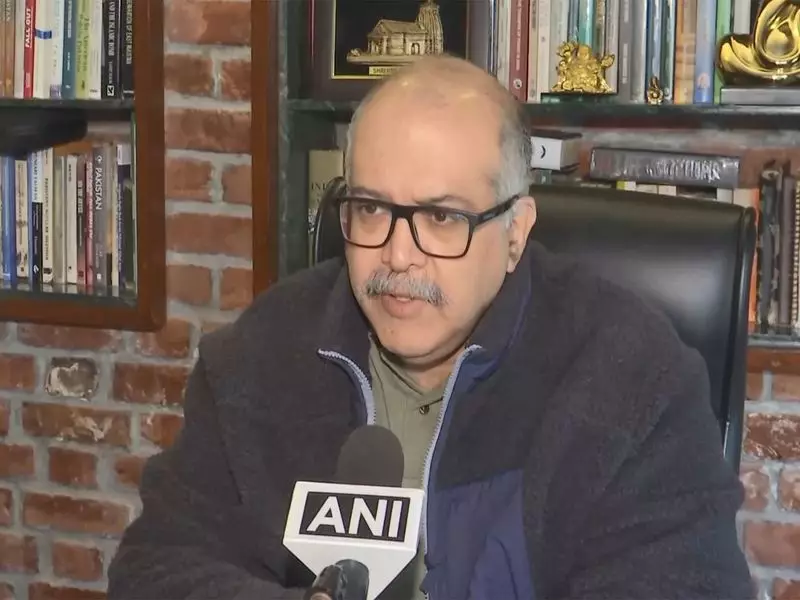
According to expert Sushant Sareen, a Senior Fellow at the Observer Research Foundation (ORF), the Bangladeshi response has been misleading. He argues that while Bangladesh presents itself as a victim of an abrupt Indian decision, the root cause lies in Dhaka's own actions—or lack thereof. The core issue, as highlighted by Indian officials, is the persistent problem of Bangladeshi applicants submitting fraudulent or forged documents to support their visa applications.

The Core Issue: Forged Documents and Illegal Immigration
Sareen points out that India has repeatedly raised concerns with Bangladeshi authorities about the prevalence of fake documents, including birth certificates, bank statements, and national identity cards. These forgeries are often used to obtain Indian visas, potentially facilitating illegal immigration. The expert asserts that Bangladesh has not taken sufficient or credible steps to curb this widespread malpractice, forcing India's hand to protect the integrity of its immigration system.
'Bangladesh is being disingenuous,' Sareen stated, emphasizing that the suspension is a direct consequence of Dhaka's failure to address a legitimate security and procedural concern raised by New Delhi over an extended period. The move is seen not as a first strike but as a necessary response to non-cooperation.
Implications for India-Bangladesh Ties
The suspension of visa services carries significant weight for the bilateral relationship, which has generally been cordial and productive in recent years. The immediate consequence is a logistical and personal nightmare for thousands of genuine travelers from Bangladesh. Families, patients, and students are caught in the crossfire of this administrative and diplomatic standoff.
From a strategic perspective, Sareen's analysis suggests the move is a clear signal from India. It underscores that cooperation must be a two-way street, even with a friendly neighbor. By taking this step, India is highlighting that issues of illegal immigration and document fraud are non-negotiable matters of national sovereignty and security. The ball, as per this viewpoint, is now in Bangladesh's court to institute robust verification mechanisms and crack down on forgery networks.
The long-term impact depends on how quickly Bangladesh responds to India's underlying concerns. A prompt and serious effort to curb document fraud could lead to a swift resumption of services. However, a prolonged impasse or a tit-for-tat response could strain the relationship, affecting broader economic and connectivity projects that benefit both nations.
In conclusion, while the visa suspension is framed as an operational pause, expert analysis by Sushant Sareen reveals it as a pointed diplomatic action. It exposes a critical fault line in the India-Bangladesh relationship concerning immigration integrity. The path to normalization now hinges on Dhaka's willingness to address what New Delhi sees as a fundamental breach of trust in the visa application process.