

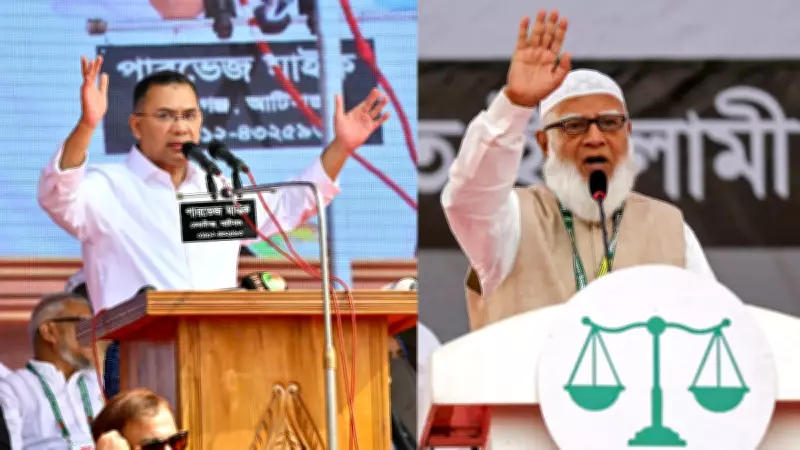
Bangladesh Election 2026: A Pivotal Moment for India-Bangladesh Ties
The upcoming general election in Bangladesh, scheduled for 2026, is poised to be a critical juncture that could dramatically reshape the diplomatic and economic relationship between Dhaka and New Delhi. As political parties in Bangladesh gear up for the electoral battle, analysts are closely examining how different political outcomes might influence the bilateral ties that have evolved significantly over the past decade.
Potential Scenarios and Their Implications
Should the current ruling party, the Awami League, secure another term, it is expected to continue the existing trajectory of strong cooperation with India. This scenario would likely see the reinforcement of ongoing initiatives in areas such as trade, security, and infrastructure development. The continuity in leadership could provide stability, allowing both nations to deepen their strategic partnership and address shared challenges like cross-border terrorism and economic integration.
Conversely, a victory for the opposition Bangladesh Nationalist Party (BNP) or other political factions could introduce new dynamics into the relationship. Such an outcome might lead to a recalibration of foreign policy priorities, potentially affecting collaborative projects and diplomatic engagements. Historical precedents suggest that shifts in Bangladesh's political landscape have occasionally strained ties with India, highlighting the sensitivity of this bilateral relationship to domestic political changes.

Key Areas of Impact
The election results are anticipated to influence several critical domains:
- Economic Cooperation: Bangladesh is a key trade partner for India, with bilateral trade exceeding billions of dollars. Political stability or instability post-election could impact investment flows, joint ventures, and regional economic initiatives.
- Security Collaboration: Both countries have cooperated on security issues, including counter-terrorism and border management. A change in government might alter the pace or focus of these efforts.
- Infrastructure Projects: Ongoing projects, such as connectivity initiatives and energy partnerships, could face delays or accelerations based on the political alignment of the new administration.
- Regional Diplomacy: Bangladesh's role in South Asian regional forums, like SAARC, could shift, affecting India's broader diplomatic strategies in the neighborhood.
Historical Context and Future Prospects
India and Bangladesh share a complex history, marked by periods of close alliance and occasional tensions. The 2026 election comes at a time when both nations are navigating global economic uncertainties and regional geopolitical shifts. The outcome will not only determine Bangladesh's domestic policies but also its external engagements, making it a focal point for observers of South Asian politics.
Experts emphasize that regardless of the election result, the fundamental interests of both countries—such as economic growth, regional stability, and cultural exchanges—are likely to sustain the relationship. However, the tone and tempo of cooperation could vary significantly, underscoring the importance of diplomatic foresight and adaptive strategies from New Delhi.
As the election date approaches, stakeholders in both nations are preparing for potential shifts. The international community, too, is watching closely, as the India-Bangladesh partnership plays a crucial role in shaping South Asia's future trajectory. This electoral event is more than a domestic affair; it is a milestone with far-reaching implications for bilateral and regional dynamics.






