

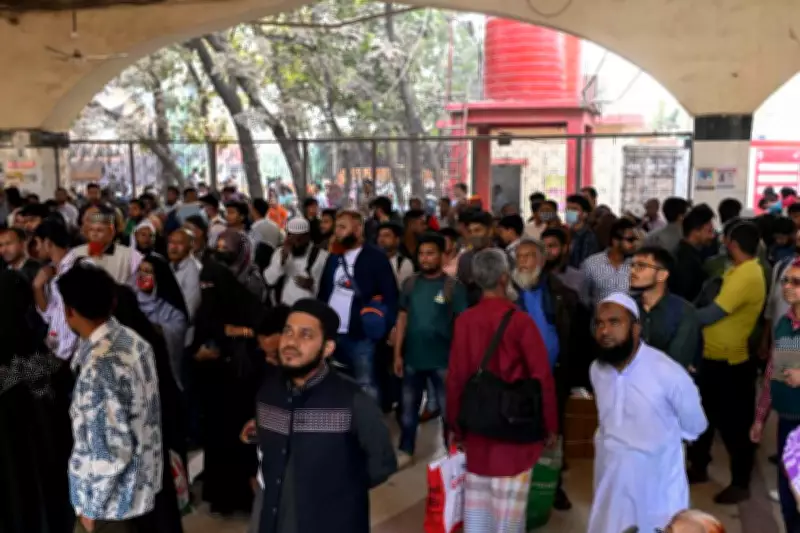
Bangladesh's 2026 General Election: A Crucial Juncture for Bilateral Ties with India
The forthcoming general election in Bangladesh, scheduled for February 2026, is emerging as a critical event that could profoundly redefine the diplomatic and economic landscape between India and Bangladesh. This electoral process is not merely a domestic affair but holds substantial implications for regional stability and bilateral cooperation in South Asia.
Historical Context and Current Dynamics
India and Bangladesh share a complex history, marked by the 1971 Liberation War where India played a pivotal role in Bangladesh's independence. Over the decades, the relationship has evolved, encompassing areas such as trade, security, and cultural exchanges. However, political transitions in Bangladesh have often influenced the tenor of this partnership, making the 2026 election a focal point for analysts and policymakers.
The current administration under Prime Minister Sheikh Hasina has fostered strong ties with India, characterized by initiatives like the Land Boundary Agreement and enhanced connectivity projects. As the election approaches, the potential for a change in leadership or political orientation could alter these dynamics, prompting a reassessment of bilateral strategies.

Key Factors Shaping the Election's Impact
Several elements will determine how the February 2026 polls reshape India-Bangladesh relations:
- Political Alignment: The election outcome may bring a new government with differing foreign policy priorities, potentially affecting cooperation on issues like cross-border terrorism, water sharing, and trade agreements.
- Economic Partnerships: Ongoing projects, such as infrastructure development and energy cooperation, could face revisions or delays based on the new administration's stance toward India.
- Regional Security: Bangladesh's role in regional forums like SAARC and BIMSTEC might shift, influencing India's strategic interests in countering external influences in the region.
- Public Sentiment: Domestic issues in Bangladesh, including economic challenges and social unrest, could spill over into foreign policy decisions, impacting bilateral relations.
Potential Scenarios and Implications
Experts suggest that the election could lead to various scenarios:
- Continuity Scenario: If the incumbent government retains power, existing partnerships with India are likely to strengthen, with a focus on deepening economic integration and security collaboration.
- Change Scenario: A new government might adopt a more independent or diversified foreign policy, possibly seeking closer ties with other regional powers, which could introduce complexities in India-Bangladesh relations.
- Coalition Dynamics: A fragmented electoral result could lead to coalition governments, making policy-making unpredictable and potentially slowing down bilateral initiatives.
Regardless of the outcome, the election is expected to prompt both nations to engage in diplomatic dialogues to navigate the new political landscape. India, as a key neighbor, will likely monitor developments closely to safeguard its interests in areas such as border management and counter-terrorism efforts.
Looking Ahead: Strategic Considerations
As Bangladesh prepares for the polls, stakeholders in both countries are emphasizing the need for stability and continuity in bilateral relations. The election serves as a reminder of the interconnectedness of domestic politics and international diplomacy in South Asia. Proactive engagement and mutual respect will be essential to ensure that the partnership remains resilient amid political changes.
In conclusion, the February 2026 general election in Bangladesh represents a significant milestone that could redefine the future trajectory of India-Bangladesh relations. By understanding the underlying factors and preparing for various outcomes, both nations can work towards fostering a relationship that promotes regional prosperity and security.






