

Bangladesh Elections 2026: Campaigning Concludes Amid Political Turmoil
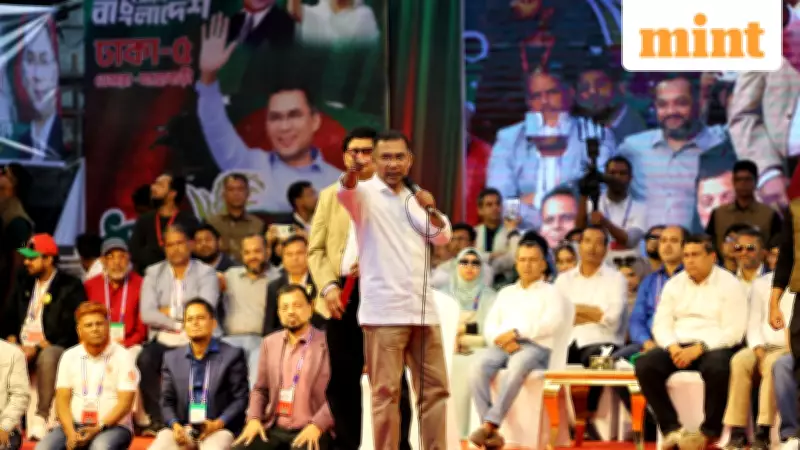
As Bangladesh approaches its crucial national parliamentary elections on February 12, 2026, the high-octane political campaigning has reached its final, feverish phase. Candidates across the nation are intensifying their last-minute efforts to woo voters, deploying every traditional tactic in the book to secure support.
Final Push in Campaigning
Candidates and their enthusiastic supporters are engaged in a whirlwind of activity during these closing days. Teams are going door-to-door in neighborhoods nationwide, organizing massive rallies in public squares, and delivering impassioned speeches through microphones and loudspeakers. The visual landscape of Bangladesh has transformed dramatically, with colorful posters, banners, and flags decorating streets, buildings, and public spaces from cities to remote villages.
According to Bangladesh's election laws, official campaigning must conclude 48 hours before voting begins. Therefore, all political activities will cease precisely at 7:30 PM on February 10, 2026, giving voters a brief period of reflection before they head to the polls.

First Election Since Hasina's Ouster
These elections mark a significant moment in Bangladesh's political history as they represent the first national vote since the dramatic ouster of former Prime Minister Sheikh Hasina in August 2024. Hasina fled the country amid widespread student-led protests that swept across Bangladesh, creating a political vacuum that has persisted for months.
Under the interim leadership of Muhammad Yunus, the country has experienced considerable political and civil turmoil, including numerous protests, incidents of violence, and destruction of public property. This backdrop of instability adds extraordinary significance to the upcoming electoral process.
Strained Relations with India
The political changes in Dhaka have significantly impacted Bangladesh's relationship with its powerful neighbor, India. Since the Awami League regime led by Sheikh Hasina was ousted on August 5, 2024, and subsequent violence against minority communities—particularly the Hindu population—bilateral ties have become notably strained.
India has responded by implementing several diplomatic measures, including restricting tourist visas for Bangladeshi citizens and withdrawing families of Indian diplomats from Bangladesh, citing security concerns ahead of the February 12 elections. This diplomatic tension has even spilled over into sports, with Bangladesh withdrawing from the men's T20 World Cup last month after the International Cricket Council declined their request to move group matches from India to co-host Sri Lanka.
Key Election Details and Timeline
The electoral process follows a carefully structured timeline:
- Campaign Period: January 22, 2026 to February 10, 2026
- Polling Day: February 12, 2026 (7:30 AM to 4:30 PM)
- Vote Counting: Begins at 4:00 PM on election day
- Results Announcement: Election Commission will officially declare results on the morning of February 13, 2026, as counting completes
Simultaneously with the parliamentary elections, a nationwide referendum will be held on the July National Charter, which includes proposals for key constitutional reforms. This dual voting process makes the election particularly consequential for Bangladesh's future governance structure.
Voter Eligibility and Demographics
An impressive 127 million Bangladeshi citizens are eligible to participate in these elections. To cast their vote, individuals must be at least 18 years old on election day and have their names registered on the final voter list compiled by the Election Commission. This represents one of the largest democratic exercises in South Asia.
Main Political Contenders
The primary electoral battle features two major political formations:

- Bangladesh Nationalist Party (BNP) led by Tarique Rahman
- The "Like-minded 11 Parties" Alliance, a newly formed coalition of eleven parties officially led by Bangladesh Jamaat-e-Islami and the National Citizen Party
Notably absent from the contest is the Awami League, the party of former Prime Minister Sheikh Hasina, which has been suspended and barred from participating in these elections.
Government Formation Requirements
The Bangladesh Parliament, known as the Jatiya Sangsad, comprises 350 seats: 300 directly elected seats and 50 reserved seats for women. To form a government, a party or coalition must secure a simple majority of the directly elected seats—at least 151 out of 300.
The 50 women's reserved seats are allocated after election results based on each party's share of the 300 directly elected seats, meaning they don't affect the initial threshold for government formation. Members of Parliament serve five-year terms once elected.
While 151 seats provide a basic working majority, achieving a two-thirds super-majority (at least 200 seats) would enable a government to pursue major constitutional changes without requiring opposition support—a significant consideration given the concurrent constitutional referendum.
Administrative Context
Bangladesh's electoral process operates within a complex administrative framework. The country is divided into eight divisions, 64 districts, and 495 upazilas (councils). While local governments manage municipal services, education, and rural development, they remain heavily dependent on funding and authority from the central government in Dhaka, making control of the national parliament particularly consequential for governance at all levels.
As campaigning concludes and the nation prepares for voting, Bangladesh stands at a critical juncture that will determine its political direction for the next five years and potentially reshape its constitutional framework and international relationships.





