Bangladesh Foreign Minister's Strategic India Visit Seeks to Reset Bilateral Relations
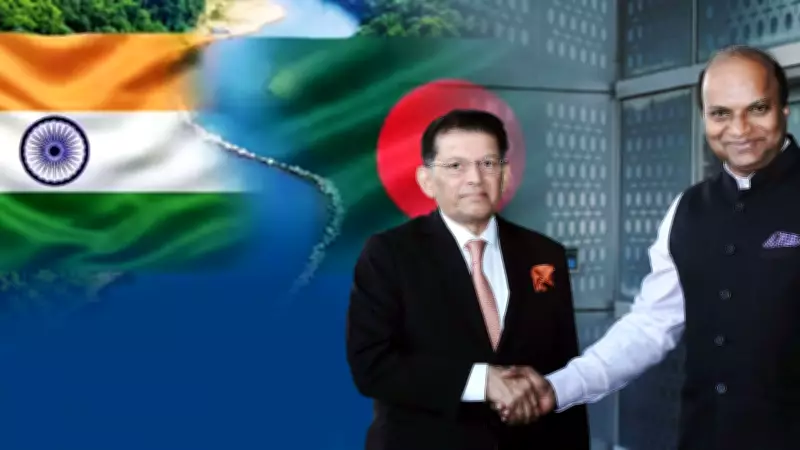
In a significant diplomatic move, Bangladesh's Foreign Minister Dr Khalilur Rahman has arrived in India for a three-day official visit from April 7 to 9, 2026. This marks the first high-level meeting between the two neighboring nations since the Tarique Rahman-led government assumed office in Dhaka, signaling a fresh chapter in India-Bangladesh ties.
High-Stakes Dialogue with External Affairs Minister S. Jaishankar
Hosted by India's External Affairs Minister S. Jaishankar, the comprehensive talks are designed to reset and strengthen bilateral cooperation across multiple domains. The discussions are expected to address longstanding concerns while exploring new avenues for partnership under the new Bangladeshi leadership.
The agenda is packed with critical issues that have defined the relationship between the two South Asian nations:

- Teesta water sharing - A persistent matter that requires urgent resolution for regional water security
- Border civilian deaths and enhanced border management protocols
- Reliable energy supply mechanisms and cross-border power transmission
- Streamlined visa services to facilitate people-to-people connections
- Bangladesh's bid for the United Nations General Assembly presidency
Additional Points of Discussion and Strategic Considerations
Sources indicate that Dhaka may raise the sensitive issue of extradition concerning former Prime Minister Sheikh Hasina, adding complexity to the diplomatic exchange. Meanwhile, India's approach emphasizes confidence-building measures and constructive dialogue aimed at incremental progress while safeguarding its strategic and security interests in the region.
This visit represents a crucial opportunity to rebuild trust between the two nations after recent political transitions. Both sides recognize the importance of addressing historical grievances while charting a stable, forward-looking course for India-Bangladesh relations. The outcomes of these talks could significantly influence regional dynamics in South Asia, particularly regarding water resources, trade connectivity, and security cooperation.
Observers note that successful resolution of even some agenda items could create positive momentum for broader regional integration initiatives. The diplomatic engagement comes at a time when both nations face shared challenges including climate impacts, economic development pressures, and evolving geopolitical alignments in the Indo-Pacific region.