

The diplomatic relationship between India and Bangladesh has hit a new low, with Dhaka's interim government openly warning it may reduce its diplomatic footprint in New Delhi. The stern warning came from Bangladesh's Foreign Affairs Adviser, M Touhid Hossain, on Sunday, marking a significant escalation in recent bilateral strains.
A Warning from Dhaka: Scaling Back Presence
M Touhid Hossain stated that Bangladesh would "consider scaling back its presence" in India's capital if the current deteriorating situation continues. This direct threat underscores the gravity of the diplomatic rift, which intensified following the death of anti-India youth leader Osman Hadi from injuries sustained in an assassination attempt. Hossain's remarks were a pointed response to events over the weekend and India's characterization of them.
The Trigger: Protests and a Press Note
The immediate flashpoint was a protest outside the Bangladesh High Commission in New Delhi on Saturday. According to India's Ministry of External Affairs (MEA), a group of 20-25 youths gathered, raising slogans to protest the horrific killing of 25-year-old Dipu Chandra Das in Mymensingh, Bangladesh, on Thursday. Das, a Hindu man, was lynched by a mob.

India swiftly labeled reports in Bangladeshi media about the protest as "misleading propaganda," asserting that the gathering was small and did not create a security situation. However, Hossain firmly rejected this Indian press note. "We completely reject it, entirely reject it," he was quoted as saying by the state-run Bangladesh Sangbad Sangstha (BSS). He argued the issue was not as simple as India portrayed.
Hossain contested the MEA's account, questioning how a group described as belonging to a "Hindu extremist organisation" could access such a sensitive zone unless allowed. He also claimed the protesters made "other statements as well" beyond slogans about the killing and maintained that Bangladeshi newspaper reports were largely accurate.
Broader Context and Diplomatic Channels
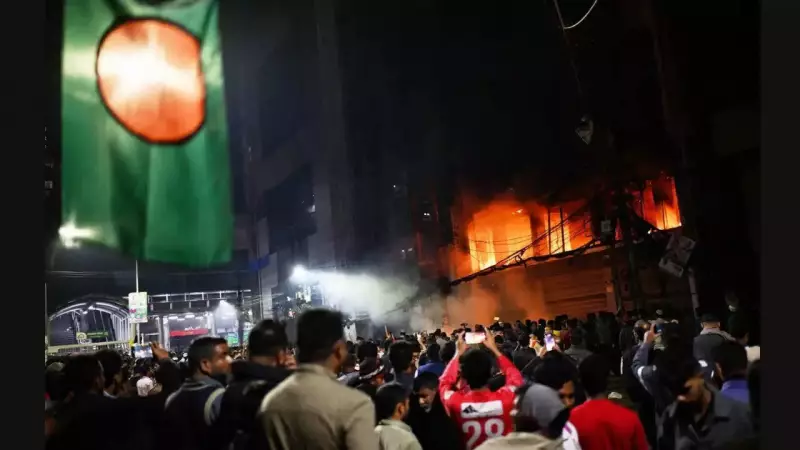
This incident adds another layer of tension to bilateral ties that have been under strain since the interim government, led by Muhammad Yunus, took charge following Sheikh Hasina's ouster. The killing of Das in Mymensingh had already triggered massive violent protests in Bangladesh, which included arson and vandalism targeting the Indian High Commission and the Hindu community.
Despite the strong public statements, Hossain noted that both sides remain in contact through diplomatic channels to convey their positions. He also clarified that he had no concrete proof regarding speculated death threats against the Bangladesh envoy in Delhi.
The public war of words, coupled with the threat of a reduced diplomatic presence, signals a challenging phase for India-Bangladesh relations. The situation remains fluid, with both nations holding their ground on the narrative surrounding the protests and the underlying issues fueling public anger.






