In a significant diplomatic development, the Bangladesh High Commission in New Delhi has temporarily suspended all consular and visa services. This move is a direct counter to India's indefinite suspension of its visa operations in Chittagong, escalating tensions between the two neighboring nations amidst a backdrop of political unrest in Bangladesh.
The Tit-for-Tat Visa Suspension
The Bangladesh High Commission issued a notice on Monday citing "unavoidable circumstances" for the suspension of services until further notice. This action came precisely one day after the Indian Visa Application Centre in Bangladesh suspended its operations in Chittagong from December 21, 2025, citing a "security incident" at the Assistant High Commission of India (AHCI) there.
Reports confirmed that the Bangladesh Assistant High Commission in Tripura also followed suit, suspending its visa services. The reciprocal measures highlight a rapid deterioration in administrative coordination, directly impacting citizens and travelers from both countries.

Roots in Political Unrest and Violence
This diplomatic friction unfolds against the volatile political climate in Bangladesh, triggered by the death of Sharif Osman Hadi. Hadi was a prominent leader of the protests that ultimately led to the ouster of Sheikh Hasina's Awami League government in 2024. His death has sparked fresh waves of unrest across the country.
Adding to the complexity is the brutal killing of Dipu Chandra Das, a 27-year-old Hindu youth, on December 18. Das was allegedly beaten to death by a mob over claims of blasphemy, and his body was set on fire in Mymensingh. This incident has drawn strong concern from India regarding the safety of minorities in Bangladesh.
Conflicting Narratives Over Delhi Protest
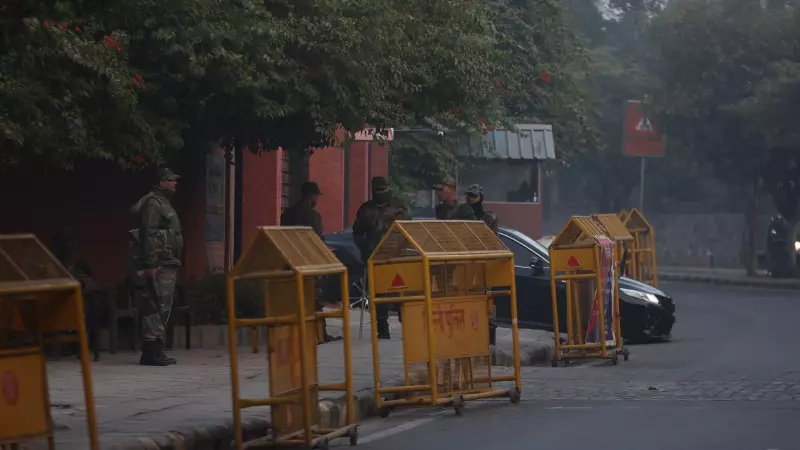
The diplomatic spat extends beyond visa services, with both nations presenting conflicting accounts of a protest outside the Bangladesh High Commission in New Delhi on December 20.
Indian Ministry of External Affairs spokesperson Randhir Jaiswal stated that about 20-25 youth gathered peacefully, raising slogans against Das's killing and calling for minority protection. He emphasized that there was no security breach, the police dispersed the group quickly, and India remains committed to protecting foreign missions under the Vienna Convention.
Bangladesh has "entirely rejected" India's version. M Touhid Hossain, the interim government's foreign affairs adviser, questioned how a group allegedly belonging to a "Hindu extremist organisation" could access such a sensitive diplomatic zone unless they were allowed. This statement was carried by the state-run Bangladesh Sangbad Sangstha (BSS).
India continues to monitor the situation closely, maintaining contact with Bangladeshi authorities. Officials have conveyed strong concerns about attacks on minorities and urged for the perpetrators of Das's killing to be brought to justice.
The suspension of visa services, a core consular function, marks a tangible low in the current phase of India-Bangladesh relations. The situation remains fluid, with both sides holding firm to their positions as they navigate the fallout from internal Bangladeshi politics and its external ramifications.