

In a significant diplomatic development, Bangladesh has decided to substantially reduce its diplomatic presence in India. The move, announced by the Bangladeshi Foreign Ministry, involves scaling back staff at its High Commission in New Delhi and its Deputy High Commission in Kolkata.
Dhaka Cites Operational Costs as Primary Reason
The Bangladeshi government officially stated that the decision is driven by a need to optimize operational costs and streamline its foreign missions. A spokesperson for the Ministry of Foreign Affairs in Dhaka confirmed the restructuring on Sunday, December 22, 2024.
The plan includes not filling vacancies created by the natural attrition of personnel. This means that as diplomats and staff members complete their terms or retire, their positions will remain empty, leading to a gradual but deliberate downsizing of the diplomatic corps in India.

A Move Against the Backdrop of Bilateral Strains
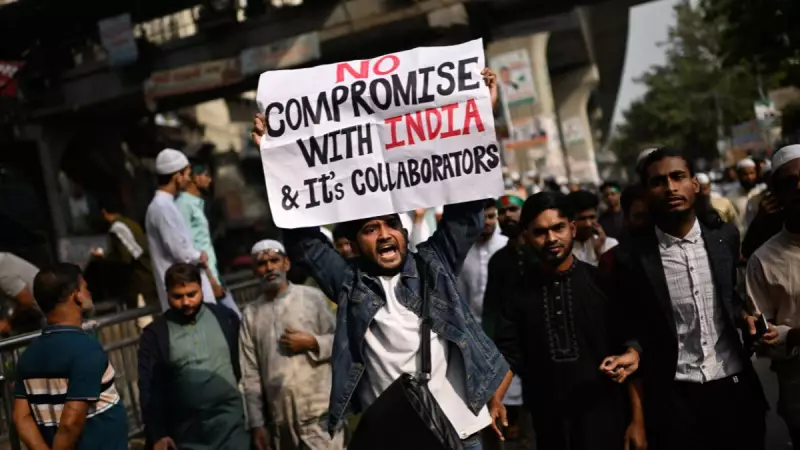
While Dhaka frames the decision in administrative terms, it unfolds against a backdrop of persistent diplomatic and economic friction between the two neighboring countries. Observers note that the relationship has faced challenges in recent times.
Key points of contention include ongoing trade imbalances and disputes over non-tariff barriers. Bangladesh has expressed concerns regarding market access for its goods in India. Furthermore, regional geopolitical dynamics and differing approaches to certain multilateral issues have added layers of complexity to the bilateral rapport.
This reduction in diplomatic manpower is seen by many analysts as a tangible reflection of the current cool phase in relations, even if not explicitly stated as the cause by Dhaka.
Implications for Bilateral Engagement
The downsizing of diplomatic staff is likely to have practical consequences. A smaller team at the High Commission and Deputy High Commission could impact the speed and scope of consular services, visa processing, and trade facilitation for citizens and businesses.
More broadly, it signals a period of recalibration in the bilateral relationship. India and Bangladesh share deep historical, cultural, and economic ties, but managing close-neighbor relations often involves navigating periodic strains. This move suggests Dhaka is opting for a leaner, potentially more cost-effective diplomatic operation in India while the two nations work through existing issues.
The Indian government is yet to issue an official reaction to Bangladesh's announcement. The development will be closely watched by foreign policy experts in both capitals and the wider region, as it marks a notable shift in the operational dynamics of a crucial regional partnership.






