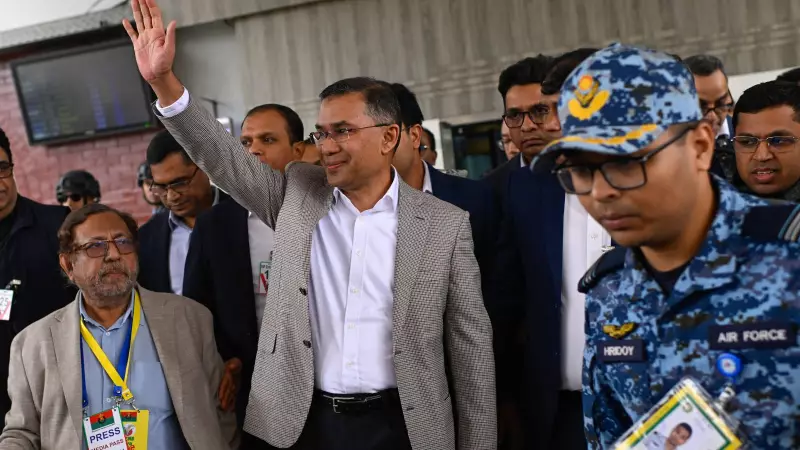
Bangladesh has firmly rejected India's expression of "grave concern" regarding recent attacks on minority communities, calling the remarks unfounded. This diplomatic friction unfolds against a backdrop of intense nationwide unrest, the dramatic return of exiled opposition leader Tarique Rahman, and reciprocal suspensions of visa services between the two neighbouring nations.
Diplomatic Tensions Over Minority Safety
India's Ministry of External Affairs (MEA) last week voiced deep worry over what it termed "unremitting hostilities" against minorities in Bangladesh. The statement came in the wake of two brutal lynching cases that shocked the region.
MEA spokesperson Randhir Jaiswal specifically condemned the killing of Dipu Chandra Das in Mymensingh on December 18. Das was allegedly beaten to death by a mob over accusations of blasphemy, after which his body was set on fire. Jaiswal also referenced the killing of another Hindu youth, Amrit Mondal in Rajbari. He stated that New Delhi expected the perpetrators to be held accountable and expressed distress over continued violence targeting Hindu, Christian, and Buddhist communities.

In a sharp response on Sunday, Dhaka stated that such remarks from India were not factual and ignored Bangladesh's long history of communal harmony. This rejection marks a rare public divergence between the two traditionally close allies.
Nationwide Unrest and Visa Suspensions
The political climate in Bangladesh has been volatile, with violence erupting following the assassination of student leader Sharif Osman Hadi. His killing triggered widespread protests and clashes across the country.
Amid the escalating situation, diplomatic services have been disrupted. The Bangladesh High Commission temporarily suspended visa and consular services in New Delhi and Agartala, citing unavoidable circumstances. In a reciprocal move, India indefinitely suspended its visa operations in Chittagong.
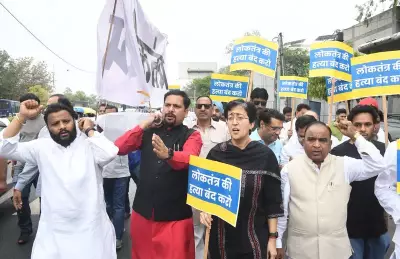
The violence against minorities in Bangladesh has also sparked protests within India. Hindu organisations and political outfits, including the BJP, Congress, Samajwadi Party, Bajrang Dal, and Vishva Hindu Parishad, have staged demonstrations demanding action against those responsible for the lynching of Dipu Das and Amrit Mondal.
Tarique Rahman's Return and Political Resurgence
Adding a significant new dimension to the pre-election landscape, Tarique Rahman, the acting chairman of the Bangladesh Nationalist Party (BNP), returned to Dhaka on December 25. This marks his return after 17 years in exile, which he spent abroad following convictions in multiple corruption cases.
Rahman, the son of former President Ziaur Rahman and ex-Prime Minister Khaleda Zia, has energised the BNP cadre ahead of the crucial February 12 General Elections. In a key development, the Bangladesh Election Commission on Saturday approved the inclusion of his name in the voter list, following his application on December 27. His re-entry into active politics is seen as a major boost for the opposition party's campaign.
The convergence of diplomatic strains, internal violence, and a shifting political equation sets the stage for a highly charged period in Bangladesh, with regional implications closely watched by India.