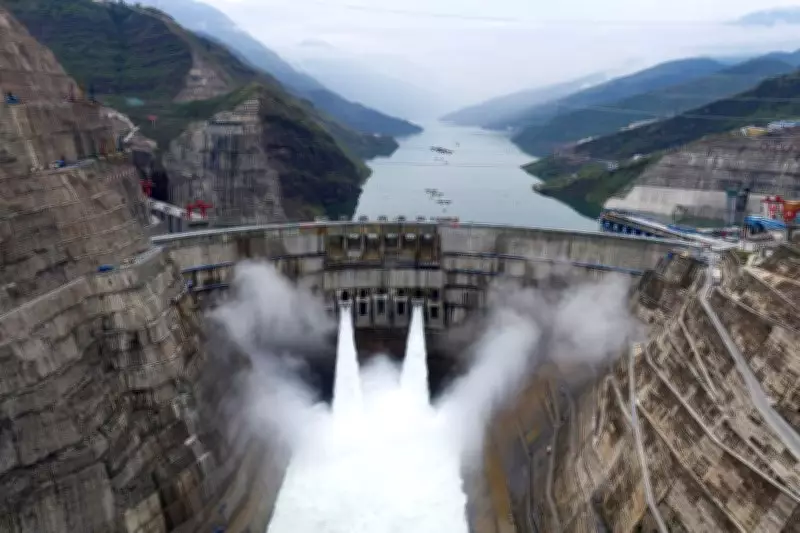
Bhutan's Largest Hydropower Project Resumes Construction After Seven-Year Suspension
In a significant development for renewable energy and bilateral cooperation, work has recommenced on Bhutan's largest hydropower project, the Punatsangchhu-II, following a prolonged seven-year halt. This massive 2,585-megawatt initiative, a cornerstone of India-Bhutan collaboration, had been suspended due to critical geological challenges that necessitated extensive technical reviews and safety assessments.
Project Details and Historical Context
The Punatsangchhu-II hydropower project is situated on the Punatsangchhu River in western Bhutan and represents a monumental engineering endeavor. Originally launched as part of a series of joint ventures between India and Bhutan, the project aims to harness Bhutan's abundant hydropower potential for both domestic use and export to India. The suspension in 2017 was triggered by the discovery of unstable geological conditions, including landslides and rock instability, which posed significant risks to construction and long-term operation.
Over the past seven years, authorities conducted thorough investigations, involving geotechnical experts and engineers, to devise solutions that would mitigate these risks. The resumption of work marks a pivotal moment, indicating that these challenges have been addressed to ensure the project's viability and safety.

Implications for India-Bhutan Relations and Energy Security
This project is not merely an infrastructure undertaking; it is a symbol of the deep-rooted partnership between India and Bhutan. As a key component of their bilateral energy cooperation, Punatsangchhu-II is expected to bolster Bhutan's economy through revenue from electricity exports while supporting India's growing energy demands. The collaboration underscores a shared commitment to sustainable development and regional stability.
Upon completion, the project will significantly enhance Bhutan's hydropower capacity, contributing to its goal of becoming a carbon-neutral nation. For India, it represents a reliable source of clean energy, aligning with broader initiatives to diversify its energy mix and reduce dependence on fossil fuels.
Technical and Environmental Considerations
The resumption involves implementing advanced engineering techniques to address the geological issues. Key measures include:
- Enhanced slope stabilization: Utilizing modern methods to prevent landslides and ensure structural integrity.
- Improved drainage systems: Designing systems to manage water flow and reduce erosion risks.
- Rigorous monitoring protocols: Establishing continuous surveillance to detect and respond to any geological shifts promptly.
Environmental impact assessments have been updated to incorporate these changes, ensuring that the project adheres to sustainable practices and minimizes ecological disruption. This careful approach reflects a balance between development goals and environmental stewardship.
Future Outlook and Economic Impact
The revival of Punatsangchhu-II is expected to have far-reaching economic benefits. It will create numerous jobs during the construction phase and stimulate local industries in Bhutan. Additionally, the project is projected to generate substantial electricity, with a significant portion earmarked for export to India, thereby strengthening bilateral trade ties.
As work progresses, stakeholders remain optimistic about meeting revised timelines for completion. This project serves as a testament to resilience in infrastructure development, demonstrating how collaborative efforts can overcome substantial obstacles to achieve long-term energy and economic objectives.