

Bangladesh's Historic BNP Victory Seen as Rejection of Pakistan-Backed Elements
As the Bangladesh Nationalist Party (BNP) celebrates a historic electoral mandate, Indian strategic analysts are interpreting this political shift as far more than a domestic triumph. The verdict is being widely viewed as a decisive repudiation of Pakistan-backed Jamaat-e-Islami influences and a significant win for democratic forces within Bangladesh.
Expert Analysis Highlights Regional Implications
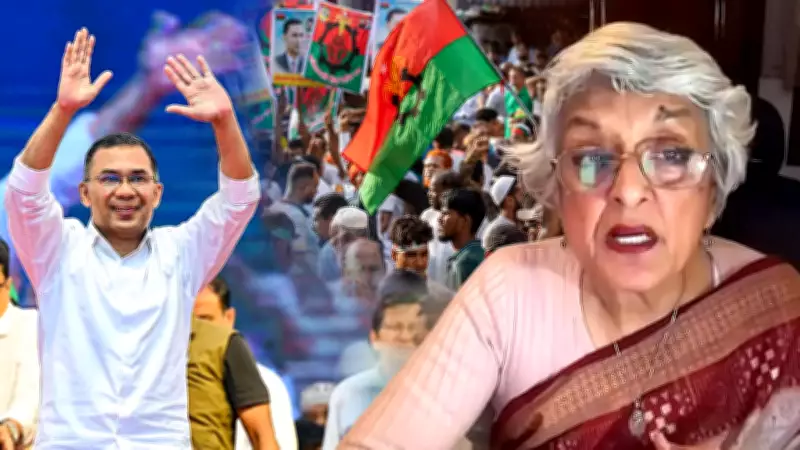
Former Indian envoy to Bangladesh, Veena Sikri, has characterized the election outcome as a clear rejection of Jamaat elements historically supported by Pakistan. Sikri emphasizes that this represents a victory for democratic principles and could enable BNP leader Tarique Rahman to guide the nation through current economic challenges while simultaneously rebuilding crucial trust with neighboring India.
Echoing this perspective, former Indian Foreign Secretary Harsh Vardhan Shringla has underscored the BNP's pro-liberation credentials and its demonstrated commitment to protecting minority rights while fostering regional cooperation. Shringla specifically references the enduring spirit of Bangladesh's 1971 liberation war, framing the electoral result as continuity with the nation's founding democratic ideals rather than a radical departure.

Consensus on Regional Stability and Bilateral Relations
The emerging consensus among diplomatic observers is unambiguous: a politically stable Dhaka under BNP leadership holds substantial potential to strengthen India-Bangladesh bilateral relations across multiple domains. This development is expected to reinforce democratic stability throughout the South Asian region, creating a more predictable geopolitical environment.
Strategic experts note that the BNP's return to power after an extended period in opposition represents a critical moment for Bangladesh's political trajectory. The rejection of Pakistan-aligned elements signals a potential reorientation toward greater regional integration and cooperation with India on shared security and economic priorities.
This political transition occurs against the backdrop of Bangladesh's ongoing economic challenges, with analysts suggesting that improved relations with India could facilitate trade partnerships and investment flows that benefit both nations. The emphasis on democratic continuity and minority protection within the BNP's platform has been particularly welcomed by observers concerned about regional stability.






