

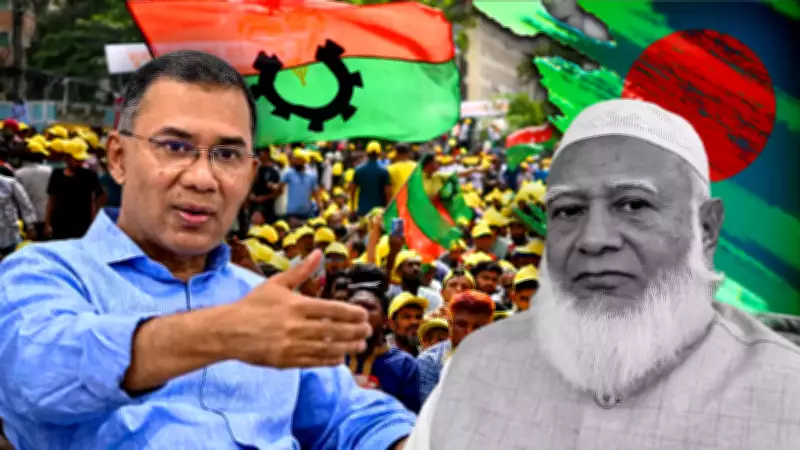
Bangladesh Nationalist Party Achieves Landslide Victory in Historic Political Comeback
In a dramatic political turnaround that has reshaped the nation's landscape, the Bangladesh Nationalist Party (BNP) has secured a sweeping victory in the national elections. The party's leader, Tarique Rahman, is now poised to become the next Prime Minister of Bangladesh after nearly seventeen years spent abroad.
From Exile to Leadership: Tarique Rahman's Remarkable Journey
Tarique Rahman's path to power represents one of the most significant political comebacks in recent South Asian history. After facing arrest and convictions that were later overturned, Rahman spent close to two decades living outside Bangladesh. His return to lead the BNP has culminated in this decisive electoral triumph.
Unofficial results indicate the BNP has established a comfortable lead, with Rahman himself securing victories in two separate constituencies. This overwhelming mandate comes as the ruling Awami League chose not to participate in the electoral contest, creating a unique political scenario.

Peaceful Polling Amidst Allegations and Transition
Election day proceeded largely peacefully across Bangladesh, though the Jamaat-e-Islami party raised allegations of voting discrepancies despite the generally calm atmosphere. The electoral process marks a significant transition period for the nation.
Nobel laureate Muhammad Yunus, who has been overseeing Bangladesh's interim governance phase since 2024, will formally step aside once the new government assumes official responsibilities. This transfer of power represents a critical moment in Bangladesh's democratic evolution.
Regional Implications and Future Relations
The election results carry substantial implications for regional dynamics, particularly concerning Bangladesh's relationship with neighboring India. As new leadership prepares to take charge in Dhaka, several key areas will define the next phase of bilateral ties.
Strategic cooperation between the two nations will likely undergo reassessment, while border stability remains a priority concern for both governments. Additionally, ongoing connectivity projects that link Bangladesh and India may face renewed scrutiny and potential renegotiation under the incoming administration.
The political shift in Bangladesh represents more than just a change in government—it signals a potential realignment in South Asian geopolitics. How the new BNP-led administration navigates domestic challenges while managing international relationships will be closely watched by regional observers and global powers alike.






