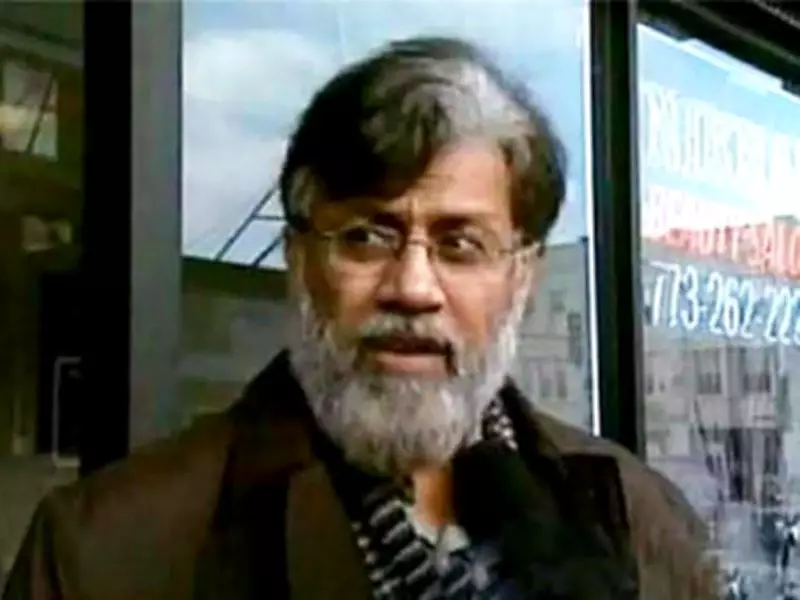
Canada Initiates Citizenship Revocation for 26/11 Mumbai Attack Mastermind Tahawwur Rana
In a significant diplomatic move, the Canadian government has taken steps to revoke the citizenship of Tahawwur Rana, a convicted mastermind behind the devastating 2008 Mumbai terrorist attacks. This action comes just ahead of a planned visit by Canadian Prime Minister Mark Carney to India, signaling a potential shift in bilateral relations and a commitment to addressing long-standing security concerns.
Background on Tahawwur Rana and the 26/11 Attacks
Tahawwur Rana, a Pakistani-born Canadian citizen, was implicated in the 26/11 Mumbai attacks, which resulted in the deaths of over 160 people, including six Americans. The coordinated assaults by Lashkar-e-Taiba militants targeted multiple locations in Mumbai, such as the Taj Mahal Palace Hotel and Chhatrapati Shivaji Terminus, over four days in November 2008. Rana was convicted in a U.S. court in 2011 for providing material support to the terrorist plot, although he was acquitted of direct involvement in the attacks themselves.
His role involved using his immigration consultancy business to facilitate the movements of the attackers, making him a key figure in the logistical planning of the atrocities. Despite his conviction, Rana has remained a contentious figure in India-Canada relations, with India repeatedly urging Canada to take stronger action against individuals linked to terrorism.

Timing Ahead of Prime Minister Mark Carney's India Visit
The decision to revoke Rana's citizenship is particularly noteworthy as it coincides with the upcoming visit of Canadian Prime Minister Mark Carney to India. This visit is expected to focus on enhancing trade, security cooperation, and diplomatic ties between the two nations. By taking this step, Canada may be aiming to address India's concerns over terrorism and demonstrate a renewed commitment to combating extremism, potentially paving the way for more productive discussions during Carney's trip.
Analysts suggest that this move could help mend strained relations, which have been affected by past disagreements over terrorism-related issues. It underscores Canada's recognition of the gravity of the 26/11 attacks and its willingness to hold individuals accountable, even if they hold Canadian citizenship.
Legal and Diplomatic Implications
The revocation process involves legal proceedings under Canadian immigration laws, which allow for the stripping of citizenship from individuals who obtained it through fraud or misrepresentation, or who are found to have engaged in activities contrary to national security interests. In Rana's case, his conviction in the U.S. for supporting terrorism likely forms the basis for this action.
- If successful, Rana could face deportation, although his current status and any appeals may complicate the timeline.
- This development is seen as a positive step by Indian authorities, who have long sought justice for the victims of the Mumbai attacks.
- It may also influence broader counter-terrorism cooperation between Canada and India, setting a precedent for handling similar cases in the future.
Overall, Canada's move to revoke Tahawwur Rana's citizenship ahead of Prime Minister Mark Carney's visit to India represents a crucial moment in bilateral relations, highlighting efforts to align on security matters and address historical grievances related to terrorism.