

Historic Visit Marks New Chapter in India-Austria Relations
In a landmark diplomatic event, Austrian Chancellor Karl Nehammer concluded a significant official visit to India, marking the first such high-level engagement from Austria in over four decades. The visit, which took place from October 9 to 11, has been widely interpreted by analysts as a clear indicator of the rapidly evolving and deepening strategic partnership between the two nations.
MEA Highlights Growing Strategic Convergence
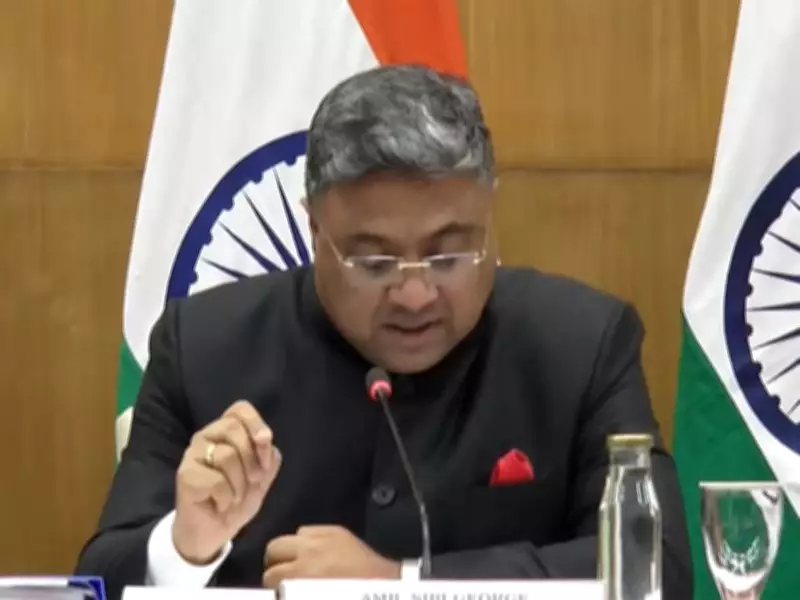
The Ministry of External Affairs (MEA) issued a formal statement emphasizing that Chancellor Nehammer's visit powerfully reflects the expanding scope and substance of the India-Austria relationship. The MEA noted that discussions spanned a comprehensive agenda, focusing on mutual priorities in areas such as trade and investment, advanced technology collaboration, climate action, and strengthening multilateral cooperation.
"This visit, coming after a gap of 40 years, is a testament to the fresh momentum and shared commitment to elevate our bilateral ties to a new level," the MEA statement elaborated. It highlighted the alignment of both democracies on key global issues, including promoting a rules-based international order and sustainable development.

Key Agreements and Economic Focus
The high-level talks yielded substantive outcomes aimed at boosting economic linkages. Key areas of agreement included:
- Enhancing bilateral trade, with a focus on sectors like renewable energy, infrastructure, and information technology.
- Fostering innovation partnerships, particularly in green technologies, artificial intelligence, and cybersecurity.
- Exploring new avenues for Austrian investment in India's growing market and Indian enterprises expanding into Central Europe.
Officials from both sides expressed optimism about finalizing several concrete agreements in the coming months, building on the momentum generated by this historic visit.
Broader Diplomatic and Strategic Implications
Beyond bilateral economics, the visit carried considerable geopolitical weight. Analysts point to Austria's strategic location in the heart of Europe and India's rising global stature as factors driving this renewed engagement. The discussions reportedly covered:
- Coordination on challenges related to regional security and stability.
- Collaboration within international forums like the United Nations on issues of mutual concern.
- Shared perspectives on navigating the complex dynamics of contemporary global politics.
The successful visit is seen as a step towards more regular high-level exchanges, setting a positive trajectory for multifaceted cooperation between India and Austria in the years ahead.






