In a surprising diplomatic assertion, China has claimed it played a mediating role in de-escalating tensions between India and Pakistan. This claim follows former US President Donald Trump's recent and controversial statement that he had offered to arbitrate the long-standing Kashmir dispute between the two nuclear-armed neighbours.
The Context: Trump's Offer and China's Counter-Claim
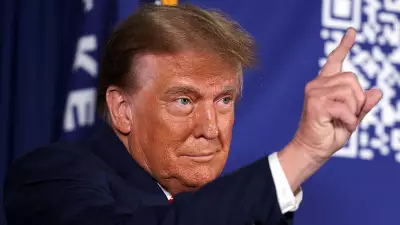
The situation unfolded after Donald Trump, during a campaign rally, reiterated his 2020 claim that former Indian Prime Minister Narendra Modi had asked him to mediate on the Kashmir issue. India has consistently and categorically denied this assertion, maintaining that the Kashmir matter is strictly bilateral and internal.
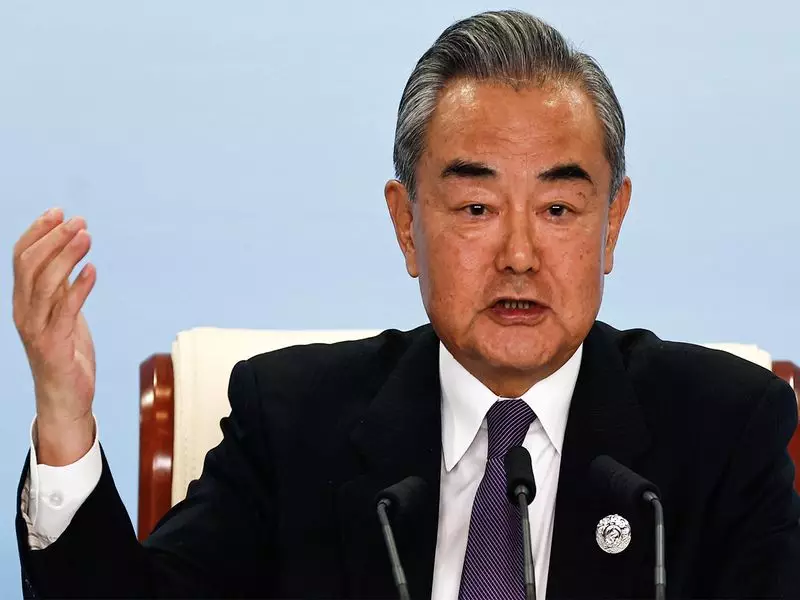
In response to questions about Trump's comments, Chinese Foreign Minister Wang Yi presented a different narrative. Wang Yi stated that China has always played a "constructive role" in improving relations between India and Pakistan. He emphasized that Beijing supports the two South Asian nations in resolving their differences through dialogue and consultation, thereby maintaining regional peace and stability.

Official Reactions and Strategic Implications
The claim from Beijing has been met with significant skepticism from regional analysts and officials. India's steadfast position is that all issues with Pakistan, including Jammu and Kashmir, are to be discussed solely between the two countries without any third-party involvement. New Delhi has not acknowledged any mediation effort by China in recent years.
This development is viewed through the lens of intense geopolitical rivalry. China's assertion is seen by many observers as an attempt to position itself as a key regional power broker, countering US influence in South Asia. It also comes at a time when India-China relations remain strained due to the prolonged military standoff along their disputed border in Ladakh.
For Pakistan, which has historically sought international intervention on Kashmir, both Trump's remarks and China's claim are potentially favourable. However, the lack of confirmation from India renders these external claims largely ineffective in altering the ground reality of the bilateral dispute.
Analysis: A Move in the Great Game
Experts suggest that China's statement is less about factual mediation and more about strategic messaging. By inserting itself into the narrative, Beijing aims to project an image of a responsible global power capable of managing complex regional conflicts. This aligns with its broader ambitions to reshape the international order and challenge US diplomatic clout.
The episode underscores the complex triangular dynamics between Washington, Beijing, and New Delhi. While the United States under Trump openly expressed a desire to mediate, China is now using subtler language to claim a behind-the-scenes role. India's response remains the constant: a firm rejection of any third-party mediation. The country's external affairs ministry has repeatedly stated that it seeks normal neighbourly relations with Pakistan in an environment free of terror, hostility, and violence.
Ultimately, the claims from both a former US president and the Chinese foreign minister highlight how the India-Pakistan conflict continues to attract global attention. However, without India's acceptance, such claims of mediation remain statements of intent rather than descriptions of actual diplomatic breakthroughs. The path to peace, as New Delhi insists, runs directly through bilateral talks between the two nations themselves.