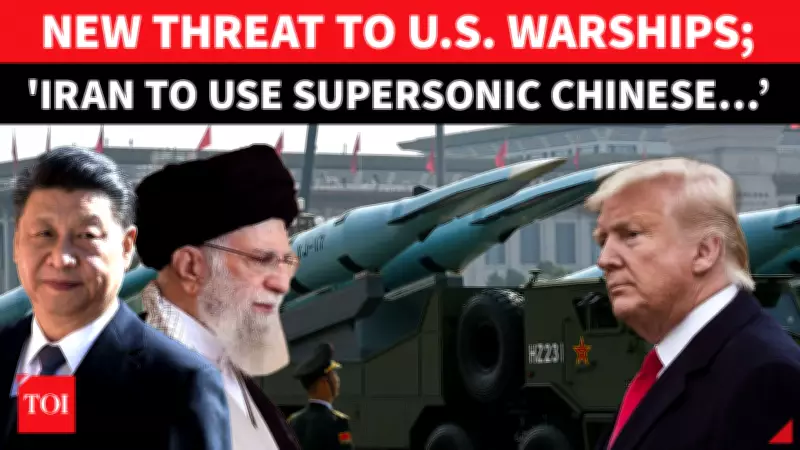
China-Iran Missile Negotiations Raise Alarm Over US Naval Security
According to sources cited by Reuters, Iran is reportedly on the verge of finalizing a significant weapons agreement with China. The deal centers on the acquisition of CM-302 supersonic anti-ship cruise missiles, a development that has sparked considerable concern among military analysts and regional observers. This potential arms transfer comes at a time when U.S. naval forces maintain a robust and visible presence near Iranian territorial waters, creating a volatile strategic environment in the already tense Persian Gulf region.
Capabilities of the CM-302 Supersonic Anti-Ship Missile
The CM-302 missile system represents a formidable maritime threat. With an operational range of approximately 290 kilometers, it is engineered for high-speed, sea-skimming flight trajectories. This specific flight profile is deliberately designed to challenge and potentially overwhelm advanced shipborne radar systems and integrated missile defense networks. Military experts emphasize that the missile's speed and low-altitude approach make detection and interception exceptionally difficult for even the most sophisticated naval vessels.
Strategic Implications for Naval Operations and Regional Balance
The introduction of such advanced anti-ship weaponry into Iran's arsenal could have profound consequences for naval operations, particularly in geographically constrained waterways. The Strait of Hormuz, a critical global chokepoint for oil shipments, is a primary area of concern. Analysts suggest that even a limited deployment of CM-302 missiles by Iran would significantly complicate freedom of navigation and operational planning for the U.S. Navy and allied forces in the region. The negotiations between Beijing and Tehran are said to have gained momentum following recent escalations in regional tensions, although crucial specifics regarding delivery schedules and the exact number of missile systems involved remain undisclosed and subject to speculation.

If this arms deal is successfully concluded, it would mark a notable and potentially destabilizing shift in Iran's maritime deterrence capabilities. Such a development could alter the delicate naval balance of power in the Middle East, providing Iran with enhanced asymmetric capabilities to counter perceived threats. The prospect of advanced Chinese missile technology being operational in the Gulf adds a complex new layer to the ongoing strategic competition between global powers, directly impacting the security calculus for U.S. naval assets patrolling these vital international waters.