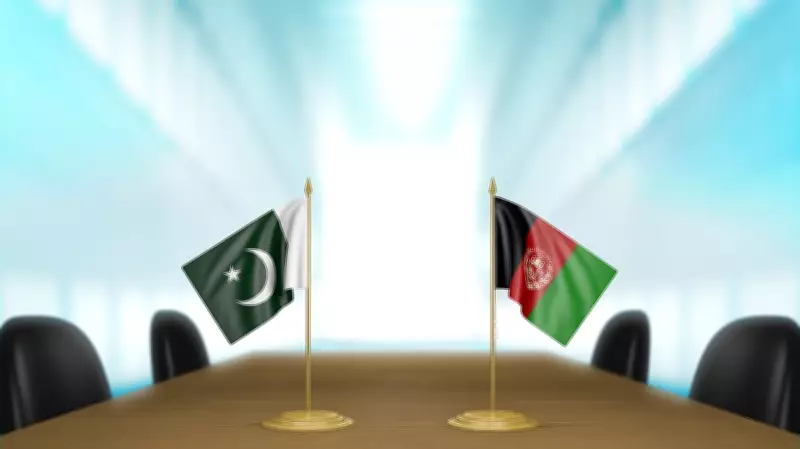
China-Mediated Pakistan-Afghanistan Dialogue Concludes Without Formal Agreement
The first major diplomatic engagement between Pakistan and Afghanistan since late February has concluded without reaching a formal agreement, despite facilitation efforts by China. The talks, which were held in a neutral location, aimed to address escalating tensions following Pakistan's military action against alleged terrorist hideouts across the border.
Background of the Diplomatic Initiative
This dialogue was initiated in response to Operation Ghazab lil-Haq, launched by Pakistan in late February 2026. The military operation targeted what Pakistani authorities described as terrorist sanctuaries within Afghan territory, leading to a significant deterioration in bilateral relations. China stepped in as a mediator, leveraging its regional influence to bring both parties to the negotiating table.
Key Points of Discussion
During the talks, several critical issues were addressed, including:

- Security Concerns: Pakistan emphasized the need for Afghanistan to prevent cross-border militant activities.
- Sovereignty Issues: Afghanistan raised objections to Pakistan's military incursions, citing violations of its territorial integrity.
- Regional Stability: Both nations discussed the broader implications of their conflict on South Asian security.
Outcome and Implications
Despite extensive discussions, the dialogue concluded without a signed agreement or joint statement. Sources indicate that while there was some progress on understanding each other's positions, fundamental disagreements on security protocols and border management remained unresolved. This outcome highlights the deep-seated mistrust between the two neighbors, even with China's diplomatic backing.
The failure to secure an agreement may have several implications:
- Continued Tensions: The lack of a formal deal suggests that military and diplomatic friction could persist.
- China's Role: China's inability to broker a consensus raises questions about its effectiveness as a mediator in regional conflicts.
- International Attention: The stalemate is likely to draw further scrutiny from global powers concerned about stability in the region.
Analysts note that while the talks did not yield immediate results, they represent a crucial step in re-establishing communication channels. Future rounds of dialogue may be necessary to build on this foundation and address the complex security challenges facing both countries.