

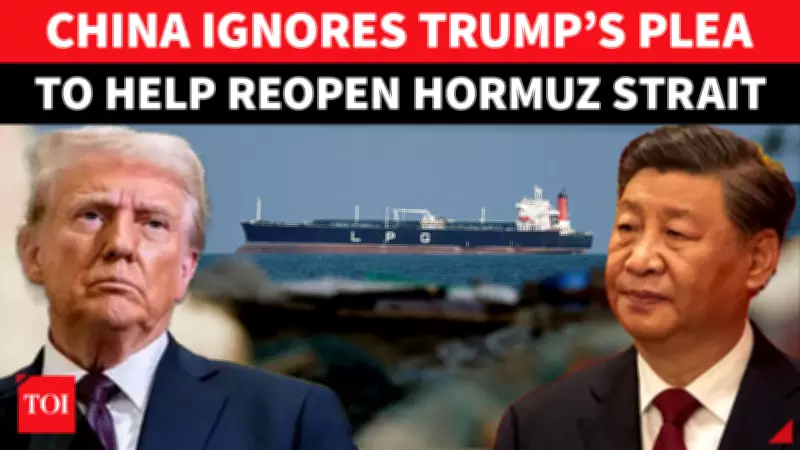
China Rejects Trump's Call for Strait of Hormuz Intervention, Urges Ceasefire
China has officially weighed in on the escalating crisis in the Strait of Hormuz, delivering a firm response to former U.S. President Donald Trump's appeal for international assistance. In a statement released on March 16, 2026, Chinese authorities called for an immediate ceasefire and de-escalation of tensions in the Middle East, rather than committing to military or logistical support as requested by Trump.
Trump's Request and China's Diplomatic Stance
Donald Trump had urged Beijing and other nations to help reopen the vital Strait of Hormuz, a critical global energy chokepoint, following disruptions linked to the ongoing Iran conflict. The strait is responsible for transporting a significant share of the world's oil and gas shipments, and recent events have led to affected tanker traffic and climbing oil prices, threatening global economic stability.
In response, China emphasized a diplomatic approach, stating that it is actively communicating with all involved parties to push for stability and prevent further economic fallout. The Chinese government's message, interpreted by analysts as a cold-shoulder to Trump's demands, underscores a preference for conflict resolution through dialogue rather than intervention.

Global Implications of the Strait of Hormuz Crisis
The Strait of Hormuz is one of the most strategically important waterways globally, with its closure or disruption posing severe risks to energy markets and international trade. The current crisis, fueled by the Iran conflict, has already led to increased oil prices and logistical challenges, prompting concerns from economies worldwide.
China's stance highlights its role as a major global player seeking to balance economic interests with diplomatic neutrality. By advocating for a ceasefire, Beijing aims to mitigate the economic impacts while avoiding direct entanglement in the military aspects of the conflict.
Analysis of China's Position
Experts suggest that China's response reflects its broader foreign policy strategy of non-interference and economic pragmatism. The call for de-escalation aligns with China's interests in maintaining stable energy supplies and protecting its investments in the region, without aligning closely with U.S. initiatives under Trump.
This development adds another layer to the complex geopolitical dynamics in the Middle East, as world powers navigate their responses to the crisis. China's emphasis on communication and stability may influence other nations to prioritize diplomatic solutions over military actions.
As the situation evolves, the international community will closely monitor China's ongoing efforts and the broader implications for global security and energy markets.






