China and North Korea Reconnect with Resumed Direct Flights
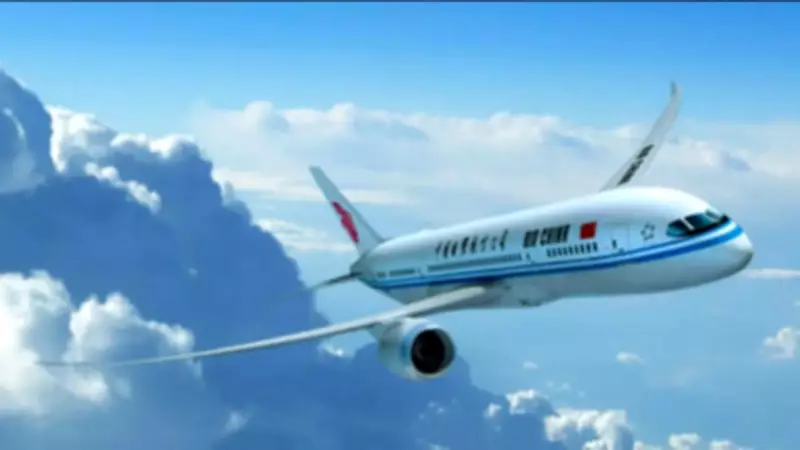
In a significant development for regional diplomacy, China's national flag carrier, Air China, officially resumed direct flights between Beijing and Pyongyang on Monday. This move comes shortly after the restoration of passenger train services between the two capitals, signaling a gradual easing of the stringent travel restrictions imposed during the COVID-19 pandemic.
Ceremonial Welcome and Diplomatic Significance
The inaugural flight was met with a formal welcome ceremony at the airport, attended by Chinese Ambassador to North Korea, Wang Yajun, along with other diplomatic officials. Chinese state media highlighted the event, underscoring its importance in reinforcing the bilateral relationship between Beijing and Pyongyang.
Historical Context of Travel Suspensions

Both flights and passenger train services to North Korea had been suspended since early 2020, when the global pandemic led to widespread border closures. North Korea, in particular, implemented some of the strictest measures, banning all foreign tourists to prevent the spread of the virus.
Gradual Reopening and Economic Implications
Prior to the pandemic, Chinese tour groups constituted approximately 90 percent of all visitors to North Korea, making the delay in resuming these tours a point of surprise for many observers. The recent resumption of flights by Air China follows North Korean carrier Air Koryo's restart of services between the capitals in 2023, indicating a phased approach to reopening.
Easing of Restrictions
North Korea has begun to relax its border controls, with a Russian tour group entering the country in 2024, marking one of the first instances of foreign tourism since the ban. This gradual easing is seen as a step toward reviving the tourism sector, which heavily relied on Chinese visitors.
Complex Diplomatic Dynamics
China remains North Korea's largest trading partner and a key ally, providing crucial economic and political support. However, Beijing has periodically expressed disapproval over Pyongyang's missile test-launches, which are viewed as potential threats to regional stability, particularly toward South Korea and the United States.
Recent High-Level Engagements
In a notable display of solidarity, North Korean leader Kim Jong Un traveled to Beijing in September to attend a major military parade. This event marked the first time in decades that a North Korean leader had been present at such a Chinese military ceremony, highlighting the enduring, albeit complex, alliance between the two nations.
The resumption of direct flights and train services is expected to facilitate increased people-to-people exchanges and bolster economic ties, as both countries navigate post-pandemic recovery and ongoing geopolitical challenges in the region.