In a significant escalation of geopolitical tensions, China has announced punitive measures against a substantial number of American defence contractors. The move is a direct response to what Beijing terms the "largest-ever" United States arms sales package to Taiwan, a self-governed island that China claims as its own territory.
The Core of the Controversy: A Major Arms Deal
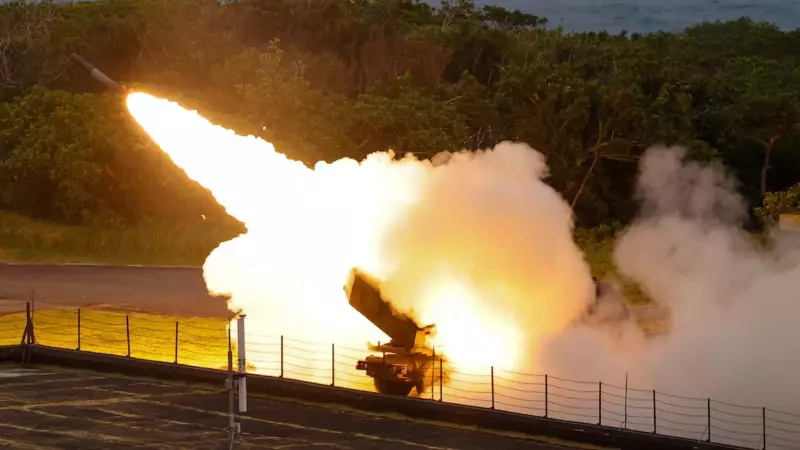
The catalyst for this latest diplomatic row is a substantial military assistance package approved by the US State Department. Valued at approximately $360 million, the deal involves the provision of crucial defence equipment to Taiwan. This includes a significant number of Switchblade 300 loitering munitions, also known as kamikaze drones, and Altius 600M unmanned aerial systems. The package is financed through the Presidential Drawdown Authority, a mechanism that allows for the rapid transfer of articles and services from US stocks.
China's foreign ministry has condemned this transaction in the strongest terms, labelling it a serious violation of the longstanding One-China principle. Beijing views any official interaction or military cooperation between Washington and Taipei as an infringement on its sovereignty and a threat to regional stability. The timing of the US announcement, which came just before a high-level meeting between American and Chinese defence officials in Hawaii, added another layer of complexity to the already strained bilateral relationship.

Beijing's Retaliatory Measures: Targeting the Defence Industry
As a countermeasure, the Chinese government has decided to impose sanctions on 20 US-based defence and aerospace companies. While the official statement from the foreign ministry did not immediately list all the targeted entities, it confirmed that the sanctions would affect these firms and their senior executives. The restrictions are expected to include a freeze on assets within China and a ban on transactions with Chinese companies and individuals.
This action is not an isolated incident but part of a broader pattern. Over recent years, China has frequently employed similar sanctions against US defence giants like Lockheed Martin and Raytheon Technologies for their involvement in arms sales to Taiwan. The latest round, however, is notable for the sheer number of companies targeted simultaneously, signalling a more expansive and forceful response from Beijing.
Broader Implications and the Stance of Involved Parties
The repercussions of this tit-for-tat extend beyond the immediate companies involved. It represents a further deterioration in US-China relations, with the Taiwan issue remaining the most potent and dangerous flashpoint. The Chinese foreign ministry has reiterated its unwavering position, stating that Taiwan is an inalienable part of China's territory and that Beijing will take all necessary measures to defend its national sovereignty.
On the other side, the United States maintains that its actions are consistent with the Taiwan Relations Act, which commits Washington to providing Taiwan with the means to maintain a sufficient self-defence capability. The US argues that these sales are crucial for maintaining peace and stability across the Taiwan Strait by ensuring a credible deterrent against potential aggression.
The government in Taipei has expressed gratitude for the US support, viewing the arms package as essential for its defence modernization efforts. This ongoing dynamic creates a volatile cycle where US support for Taiwan provokes Chinese condemnation and sanctions, which in turn reinforces the rationale in Washington and Taipei for closer security ties.
For the global defence industry, China's sanctions list creates new compliance challenges and market complexities. While the direct financial impact on major US contractors may be limited due to existing restrictions on selling to China, the move underscores the growing weaponization of economic measures in geopolitical disputes. It also serves as a stark warning to other countries and companies about the risks of engaging in military cooperation with Taiwan from Beijing's perspective.