

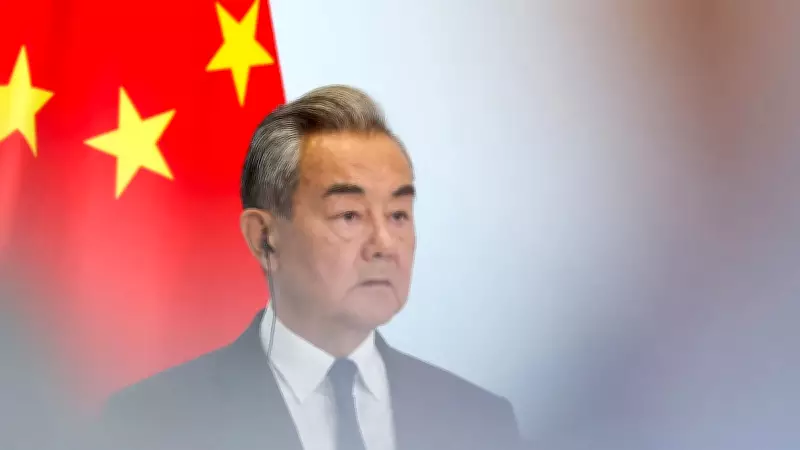
China Calls for Peaceful Resolution of Afghanistan-Pakistan Border Tensions
In a significant diplomatic intervention, China has urged Afghanistan and Pakistan to address their mounting border tensions through constructive dialogue and peaceful means, rather than resorting to force. This appeal comes amid reports of escalating clashes and heightened military activity along the shared frontier between the two neighboring nations, which has raised concerns over regional security and stability.
Emphasis on Dialogue and Consultation
Chinese officials have emphasized the critical importance of resolving disputes through consultation and negotiation, highlighting that such an approach is essential for fostering long-term peace and cooperation in the region. They stressed that any use of force could exacerbate the situation, potentially leading to broader instability that might affect neighboring countries and international efforts in the area.
China, which shares borders with both Afghanistan and Pakistan, has a vested interest in maintaining calm and preventing conflict from spilling over. The Chinese government has reiterated its commitment to supporting peaceful resolutions and has offered to facilitate talks if requested by both parties, underscoring its role as a key regional player in South Asia.

Regional Stability at Stake
The tensions between Afghanistan and Pakistan have historical roots, often revolving around border demarcations, cross-border militant activities, and political disagreements. Recent incidents have seen an increase in skirmishes, with both sides accusing each other of provocations. This has prompted international observers to warn of the risks of a larger confrontation, which could undermine efforts to combat terrorism and promote economic development in the region.
China's call for restraint aligns with its broader foreign policy objectives, which prioritize stability and economic connectivity, particularly through initiatives like the Belt and Road. Any conflict between Afghanistan and Pakistan could disrupt these plans, affecting trade routes and investment projects that are crucial for regional growth.
International Context and Responses
Other countries and international organizations have also expressed concern over the Afghanistan-Pakistan tensions, with many echoing China's appeal for dialogue. The United Nations and regional bodies have called for de-escalation, emphasizing the need to avoid actions that could lead to humanitarian crises or further destabilization.
In response, both Afghanistan and Pakistan have acknowledged China's statement, with officials from each country indicating a willingness to engage in talks. However, they have also reiterated their respective security concerns, suggesting that resolving the underlying issues will require sustained diplomatic efforts and confidence-building measures.
As the situation evolves, China's role as a mediator could prove pivotal in bridging differences and fostering a peaceful outcome. The international community continues to monitor developments closely, hoping that dialogue will prevail over confrontation to ensure regional harmony and security.






