

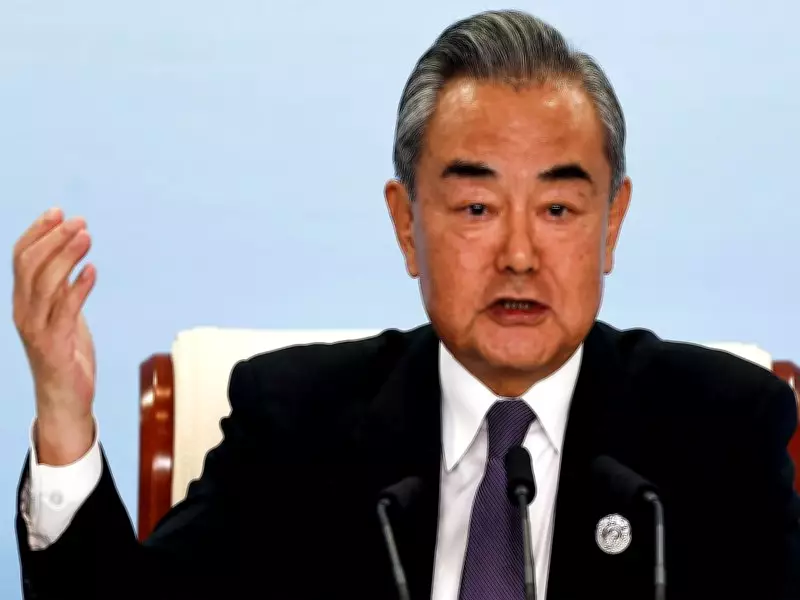
China's Top Diplomat Calls for Urgent Halt to Gulf Military Actions
In a significant diplomatic intervention, Chinese Foreign Minister Wang Yi has issued a strong appeal for an immediate end to all military operations in the volatile Gulf region. This call comes amid rising tensions and ongoing conflicts that threaten regional stability and global security.
Wang Yi's Direct Appeal for De-escalation
Foreign Minister Wang Yi, representing China's stance on international affairs, explicitly urged all parties involved in the Gulf to "immediately cease military operations". He emphasized that continued hostilities could lead to a dangerous escalation, with far-reaching consequences beyond the immediate area. Wang Yi highlighted the urgent need for dialogue and peaceful resolution mechanisms to address underlying disputes.
China's Diplomatic Role in Conflict Resolution
This statement underscores China's growing involvement in global diplomacy, particularly in regions like the Gulf where geopolitical rivalries often fuel conflicts. Wang Yi's appeal aligns with China's broader foreign policy principles, which advocate for non-interference and peaceful coexistence. By calling for a ceasefire, China positions itself as a mediator seeking to prevent further violence and promote stability.

The Chinese Foreign Minister stressed that military solutions are unsustainable and that only through diplomatic engagement can lasting peace be achieved. He pointed to the importance of international cooperation and multilateral forums in facilitating talks between conflicting parties.
Implications for Regional and Global Security
The Gulf region, a critical hub for energy resources and trade routes, has been plagued by intermittent conflicts and proxy wars. Wang Yi's call for de-escalation reflects concerns about the potential for these tensions to spill over, affecting global economies and security architectures. Key points from his address include:
- An immediate halt to all offensive military actions to prevent civilian casualties and infrastructure damage.
- Encouragement for all stakeholders to engage in unconditional dialogue to resolve differences.
- A warning that prolonged conflict could exacerbate humanitarian crises and destabilize neighboring countries.
China's intervention is seen as part of its efforts to enhance its global leadership role, especially in conflict zones where traditional powers have struggled to broker peace. Wang Yi's remarks may signal a more proactive Chinese approach to international crises, leveraging its economic and political influence to advocate for peaceful resolutions.
Looking Ahead: Pathways to Peace
As the international community monitors the situation, Wang Yi's appeal adds momentum to calls for restraint and diplomacy. Experts suggest that China's involvement could open new avenues for negotiation, given its neutral stance and economic ties with various Gulf nations. The focus now shifts to whether conflicting parties will heed this call and prioritize diplomatic channels over military confrontations.
In conclusion, Foreign Minister Wang Yi's urgent plea for a ceasefire in the Gulf underscores the critical need for de-escalation. By championing peaceful dialogue, China aims to contribute to regional stability and demonstrate its commitment to global security governance.






