

China Calls on Iran to Secure Strait of Hormuz Passage Amid US Blockade
In a significant diplomatic move, China has formally urged Iran to guarantee freedom of navigation through the strategically vital Strait of Hormuz. This request comes as tensions escalate in the region due to a US-led blockade that is severely impacting global energy supplies.
Escalating Energy Crisis Prompts Diplomatic Intervention
The Chinese government has expressed profound concern over the deepening energy crisis, which has been significantly accentuated by the United States' blockade of the Strait of Hormuz. This critical maritime chokepoint, through which approximately one-fifth of the world's oil passes, has seen a dramatic reduction in traffic as the blockade prevents ships from transporting oil and gas from Iran's major ports.
The blockade has created a ripple effect across global markets, with energy prices soaring and supply chains facing unprecedented disruption. China, as one of the world's largest energy importers, finds itself particularly vulnerable to these developments, prompting its direct appeal to Iranian authorities.

Strategic Importance of the Strait of Hormuz
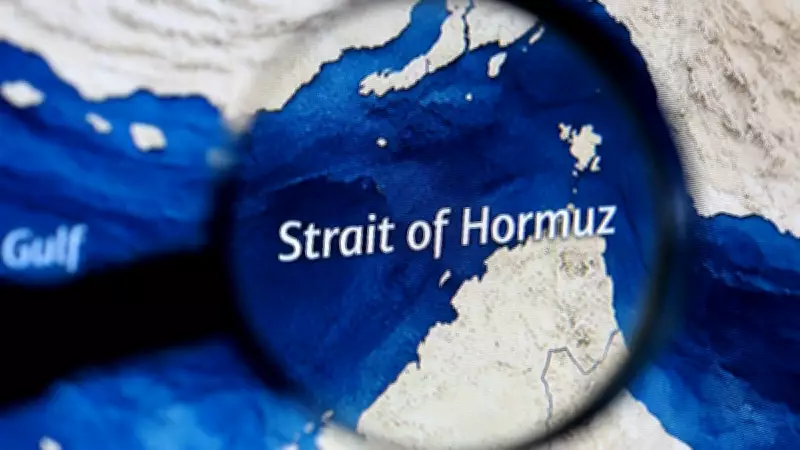
The Strait of Hormuz serves as a crucial gateway between the Persian Gulf and the Gulf of Oman, making it indispensable for international trade, especially energy exports from the Middle East. Any disruption to navigation through this narrow passage has immediate and far-reaching consequences for the global economy.
China's request to Iran underscores the growing international anxiety over the situation. The blockade not only affects Iran's ability to export its resources but also threatens the energy security of numerous nations that rely on stable shipments through this corridor.
Broader Implications for Global Diplomacy
This development highlights the complex geopolitical dynamics at play in the Middle East. China's intervention signals its increasing role as a mediator in regional conflicts and its commitment to safeguarding its economic interests. The request places Iran in a delicate position, balancing its domestic priorities with international pressure to maintain open sea lanes.
Observers note that the outcome of this diplomatic engagement could set important precedents for how global powers address maritime security challenges in contested waters. As the energy crisis deepens, the international community will be closely monitoring Iran's response and any subsequent actions by the United States and other stakeholders.
The situation remains fluid, with potential implications for international trade, energy policies, and regional stability. China's proactive stance reflects the urgent need for collaborative solutions to ensure that vital maritime routes remain accessible and secure for all nations.






