

China's Cultural Charm Offensive: A New Soft Power Strategy
On America's Thanksgiving Day, an unexpected spectacle unfolded in Manhattan. A giant float featuring fang-baring toy monsters trundled through the streets during the Macy's Thanksgiving Day Parade, captivating crowds who eagerly captured the moment on their phones. These 16-foot balloons were not American icons but Chinese soft-power symbols, starring in one of the United States' most cherished cultural events.
The Rise of Labubu Mania
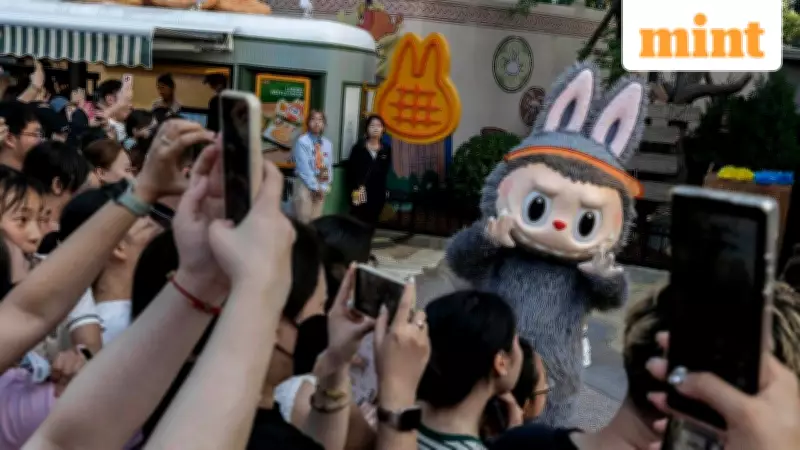
This parade appearance marked the peak of a global obsession with Labubu dolls, creations of a Hong Kong artist sold by Beijing-based toy manufacturer Pop Mart. Over the past year, these plushy characters have become international sensations. Celebrities like Lady Gaga, Cher, David Beckham, and Marc Jacobs have been spotted accessorizing their bags with Labubu accessories. The demand has been so intense that some dolls resell for up to twenty times their original retail price, with devoted fans traveling to China specifically to hunt down fast-selling merchandise.
Now, Pop Mart is expanding its footprint with a 7,000-square-foot flagship store in Manhattan's Times Square, with additional locations planned across American shopping malls. This commercial success provides Beijing with a timely opportunity to enhance its global image, particularly as American soft power faces challenges.

From State Control to Cultural Free Market
For decades, China attempted to build international friendships through traditional state-led initiatives, such as panda diplomacy and language institutes. Today, the Communist Party has adopted a different approach, allowing the cultural free market to play a significant role in shaping global perceptions. This strategic shift represents a rare instance where the party is restraining its instinct to micromanage society, particularly under Chinese leader Xi Jinping, who has otherwise strengthened state control over private businesses and public discourse.
"The party has understood that it cannot design soft power in a meeting room," observed Shaoyu Yuan, an adjunct professor at New York University's Center for Global Affairs. "The current strategy looks more like this: Let creativity grow inside the system, as long as it does not cross clear political red lines, and then support the winners."
Cultural Exports as Geopolitical Tools
China has long envied the immense cultural influence wielded by the United States. With former President Donald Trump's trade wars, chaotic diplomacy, and military actions creating openings, Beijing has seized the opportunity to present itself as a benign and responsible global power. Fluffy dolls and online influencers have entered this geopolitical arena as unexpected ambassadors.
Commercial successes across various sectors are helping redefine China's global standing. The 2025 animated film "Ne Zha 2" became the first non-Hollywood production to gross over $2 billion worldwide, demonstrating China's ambition to compete with entertainment giants like Disney. Similarly, the martial arts role-playing game "Black Myth: Wukong", inspired by the classic Chinese novel "Journey to the West," achieved record-breaking sales and earned rave reviews from Western gamers upon its 2024 release.
Official Endorsement and Strategic Support
When Chinese products achieve international resonance, officials and state media quickly celebrate these successes as evidence of China's growing cultural appeal. As Pop Mart reported skyrocketing Labubu sales, state media praised the plushies as proof that China can drive global consumer trends. Regulators simultaneously cracked down on counterfeit Labubu products to protect what had become a significant cultural export.
Beijing's praise for "Black Myth: Wukong" coincided with reduced regulatory pressure on the video game industry. Local authorities have also welcomed foreign influencers to showcase China's blend of ancient culture and ultramodern infrastructure to global audiences. This lighter touch on cultural industries has boosted creative output that was previously stifled by regulatory scrutiny.

Domestic and International Implications
Xi Jinping himself offered rare endorsement in his New Year's address, stating: "Wukong and Ne Zha are global hits. Classic Chinese culture has become the finest form of aesthetic expression in the eyes of young people." For Beijing, boosting cultural exports helps counter Western portrayals of China as a military threat, cybersecurity menace, and cheap-goods exporter.
These soft-power tools complement other efforts to expand China's influence, from infrastructure investments in developing countries to political-influence campaigns abroad. The party's embrace of grassroots cultural creations supplements traditional campaigns highlighting China's ancient heritage and natural wonders.
"Many foreigners' perceptions of China may still be stuck at kung fu, the Great Wall and pandas," noted a party-run newspaper. "Now, through trendy collectibles, they are seeing a China full of creativity and attuned to young people's needs. Through these trend icons, China is reshaping the world's perceptions of who we are."
The Architect Behind the Strategy
This evolved approach coincides with the rising influence of Li Shulei, a trusted adviser in Xi's inner circle. A former literature professor at the Communist Party's top training academy, Li has long advocated for China to foster cultural pride and prepare for a culture war with America. As propaganda minister since 2022, he has championed Xi's program to use Chinese arts, traditions, and history to justify Communist rule and enhance Beijing's soft power.
"The more we face containment and suppression, the more we must promote open cooperation in the cultural field, and showcase a credible, lovely and respectable image of China," Li declared at a May forum. Analysts credit him with steering the party toward publicly praising creators, providing intellectual-property protection, and incorporating these products into official narratives about China's global stature.
Measuring Success and Future Prospects
Recent surveys indicate warming sentiment toward China, particularly in developing nations and among younger demographics. This narrows Beijing's soft-power gap with Washington as Trump's "America First" agenda strains alliances. "Beijing benefits when the U.S. damages its own standing or retreats from global leadership, but China's own efforts to project state-sponsored soft power have produced mixed results," remarked Lizzi Lee, a fellow at the Asia Society Policy Institute. She noted that cultural creation in the private sector is where China has been most effective.
Domestically, this cultural push reinforces party legitimacy. "Beijing is telling domestic audiences: 'Our culture is strong, our creators can compete with Disney and Marvel, and the party is the guardian of this rise,'" explained Yuan. "The external influence matters, but the internal message about legitimacy is always central."
As Chinese cultural products continue to resonate globally—inspiring international gamers to read "Journey to the West" or prompting foreign influencers to share authentic experiences—Beijing's strategy of harnessing market-driven creativity while maintaining narrative control appears poised to shape perceptions for years to come.





