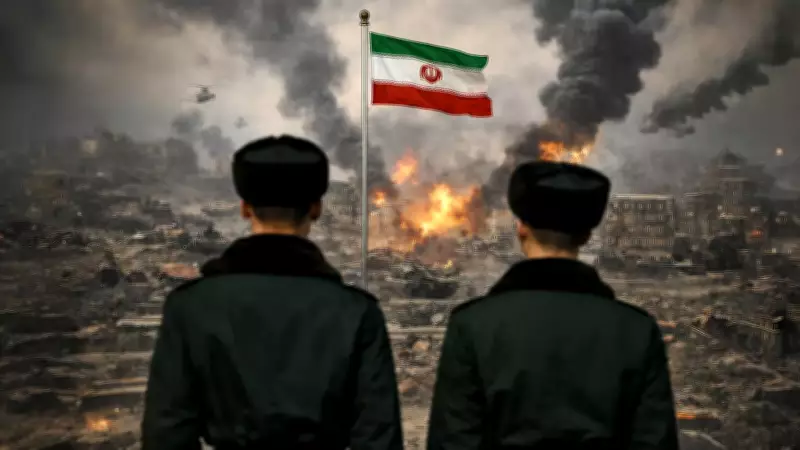
China's Deliberate Diplomatic Pause in Iran Conflict
When the United States and Israel launched military strikes against Iran, global attention turned to how major powers would respond. China, a permanent member of the UN Security Council and a key player in Middle Eastern affairs, waited several hours before issuing its first official statement. This deliberate pause was not accidental but a calculated diplomatic maneuver reflecting Beijing's complex strategic interests.
The Significance of Timing in Fast-Moving Conflicts
In contemporary international crises, major powers typically respond within minutes to assert their positions and influence unfolding events. China's decision to delay its response until it had assessed the situation thoroughly signals a cautious approach. Beijing needed to understand the scale of the military operations, Washington's strategic objectives, and Tehran's potential retaliation before committing to language that could limit its diplomatic flexibility.
This caution stems from multiple factors:

- Economic Considerations: China has substantial investments in Iran's energy sector and views the country as a crucial partner in its Belt and Road Initiative. Escalation could jeopardize these economic interests.
- Regional Stability: Beijing prefers a stable Middle East to ensure uninterrupted energy supplies and trade routes. Conflict escalation threatens this stability.
- Great Power Dynamics: China seeks to avoid direct confrontation with the United States while positioning itself as a responsible global actor advocating for peaceful resolution.
China's Official Position and Strategic Implications
When China finally broke its silence, the statement was carefully worded: expressing "highly concerned" about the situation and calling for an immediate cessation of military operations and a return to dialogue. This formulation allows Beijing to maintain relationships with all parties involved while avoiding explicit alignment that could compromise its broader foreign policy goals.
The delayed response demonstrates China's preference for strategic ambiguity in volatile situations. By not immediately condemning or supporting any party, Beijing preserves its diplomatic leverage and keeps options open for mediation efforts should opportunities arise. This approach contrasts with more immediate responses from other global powers and reflects China's particular calculus in balancing its economic interests, regional relationships, and global aspirations.