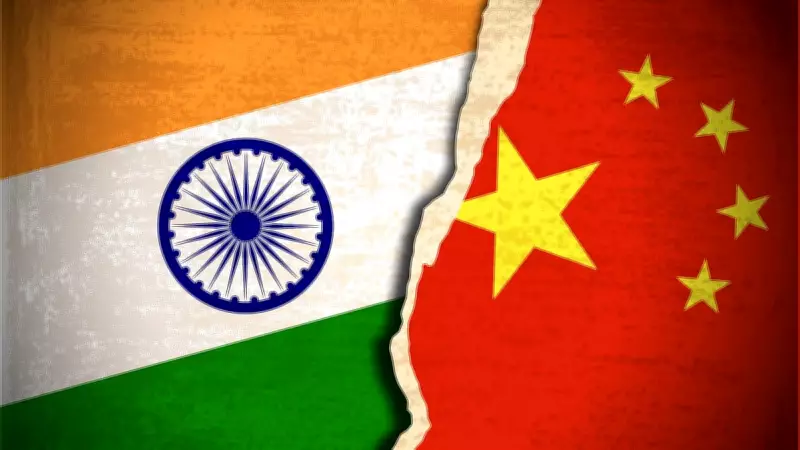
China's New Technological Blueprint and India's Enduring Strategic Conundrum
In a significant development on the global stage, China has recently introduced its 15th Five-Year Plan, a comprehensive roadmap that places a heavy emphasis on technological advancement and innovation. This strategic move by Beijing underscores its ambition to solidify its position as a world leader in critical technology sectors, from artificial intelligence and quantum computing to green energy and digital infrastructure.
The Imperative for India's Policy Reassessment
This aggressive push by China presents a stark challenge for India, highlighting what many experts describe as an "old dilemma" in New Delhi's approach to national technology policy. For years, India has grappled with the need to develop a cohesive, forward-looking strategy that can effectively harness its vast human capital and burgeoning tech ecosystem. However, the country's efforts have often been hampered by fragmented initiatives, bureaucratic inertia, and a lack of long-term vision.
The 15th Five-Year Plan serves as a wake-up call, demonstrating how a competitor nation is systematically aligning its economic, educational, and industrial policies to achieve technological supremacy. In contrast, India's current framework remains reactive rather than proactive, struggling to keep pace with the rapid evolution of global tech landscapes.
Building a Strategic Framework for Competition
To navigate this complex scenario, India must urgently re-envisage its national technology policy as a robust strategic framework. This involves moving beyond piecemeal programs and ad-hoc measures to create an integrated ecosystem that fosters innovation, protects intellectual property, and incentivizes research and development. Key areas of focus should include:
- Enhancing public-private partnerships to accelerate technology adoption and commercialization.
- Investing in foundational research and development across emerging fields like biotechnology, semiconductors, and space technology.
- Developing a skilled workforce through reforms in education and vocational training aligned with future tech demands.
- Strengthening cybersecurity measures and data governance to safeguard national interests in the digital age.
Moreover, India's policy must be agile enough to respond to geopolitical shifts and technological disruptions, ensuring that the country is not merely a consumer of innovation but a leading creator and exporter of cutting-edge solutions.
The Path Forward in a Competitive World
The competition showcased in China's plan is not just about economic growth; it is a broader contest for influence, security, and global leadership. India's response, therefore, must be multifaceted, encompassing diplomatic engagements, trade strategies, and domestic reforms. By crafting a cohesive national technology policy, India can better position itself to leverage its demographic dividend, entrepreneurial spirit, and democratic values to forge a distinctive path in the tech race.
In conclusion, as China charts a clear course with its 15th Five-Year Plan, India stands at a critical juncture. The time for incremental changes has passed; what is needed is a bold, visionary overhaul of its technology policy framework to prepare for and thrive in an era of intense global competition.