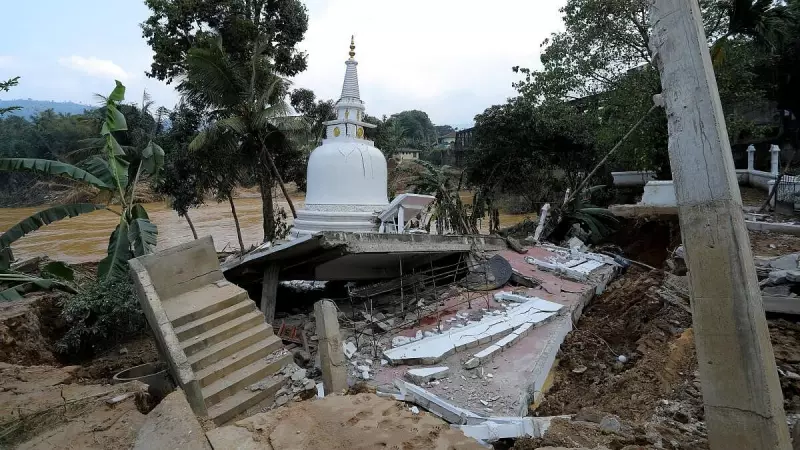
The island nation of Sri Lanka is reeling from the catastrophic impact of Cyclone Ditwah, with the official death toll climbing to a staggering 366. The devastating storm has left a trail of destruction, prompting an immediate response from neighbouring India.
Prime Minister Modi's Assurance of Support
In a significant diplomatic gesture, Indian Prime Minister Narendra Modi spoke with Sri Lankan President Ranil Wickremesinghe on Tuesday. The conversation focused squarely on the unfolding humanitarian crisis. Prime Minister Modi conveyed his deep condolences for the lives lost and assured President Wickremesinghe of India's steadfast support. He emphasized that India stands ready to provide all necessary assistance to help Sri Lanka recover from the disaster.
This high-level contact underscores the close ties between the two nations, especially in times of distress. The Indian government has activated its disaster response mechanisms to coordinate aid.

The Scale of Devastation in Sri Lanka
The numbers emerging from Sri Lanka paint a grim picture of Cyclone Ditwah's fury. Beyond the tragic loss of 366 lives, the cyclone has caused widespread damage to infrastructure, homes, and livelihoods. Key details of the impact include:
- A massive rescue and relief operation is underway across the hardest-hit regions.
- Critical infrastructure, including roads, bridges, and power lines, has been severely damaged, hampering access to affected communities.
- There are fears that the death toll could rise further as rescue teams reach remote areas cut off by floods and landslides triggered by the cyclone.
The Sri Lankan government, along with its armed forces, is leading the on-ground efforts, battling challenging conditions to provide aid to survivors.
India's Role in Disaster Response
India has a long history of providing swift humanitarian assistance and disaster relief (HADR) to its neighbours in the Indian Ocean region. In the wake of Cyclone Ditwah, India is expected to deploy essential resources. This aid could encompass emergency medical supplies, food packets, drinking water, tents, and other essential relief materials.
Furthermore, given India's expertise and assets, technical teams and equipment for restoring connectivity and conducting advanced search operations may also be part of the assistance package. The prompt assurance from the highest level of the Indian government signals a deep commitment to helping Sri Lanka navigate this calamity.
The coming days will be critical for rescue and relief as the focus shifts from immediate survival to rehabilitation and rebuilding. The international community is also likely to rally in support of Sri Lanka's recovery efforts from the Cyclone Ditwah disaster.