The Decline of Trumpian Hegemony: A Global Power Shift Analysis
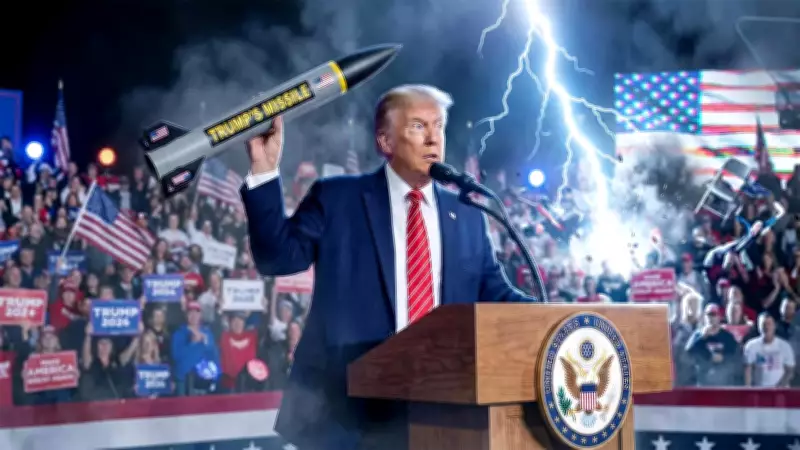
The era of Trumpian hegemony, characterized by a distinct and often unilateral approach to global leadership, is facing significant challenges that signal a potential decline in its influence. This shift is not merely a political phenomenon but a reflection of broader changes in international relations and power dynamics. As the world grapples with evolving geopolitical landscapes, the once-dominant force of Trumpian policies is encountering resistance and competition from various quarters.
Challenges to Trumpian Influence
Several factors contribute to the weakening of Trumpian hegemony. Firstly, the rise of alternative global powers, such as China and the European Union, has created a multipolar world where no single nation can assert unchecked dominance. These entities have developed their own economic and political strategies, often countering the unilateralism associated with Trumpian policies. For instance, China's Belt and Road Initiative and the EU's focus on multilateral agreements have provided viable alternatives to the America-first approach.
Secondly, domestic political divisions within the United States have undermined the consistency and credibility of Trumpian hegemony. Policy reversals and internal conflicts have led to a perception of instability, reducing the global trust in this leadership style. This is compounded by international backlash against policies like trade tariffs and immigration restrictions, which have strained alliances and fostered resentment among traditional partners.

Impact on Global Power Dynamics
The decline of Trumpian hegemony is reshaping global power dynamics in profound ways. Nations are increasingly seeking to diversify their alliances and reduce dependency on any single superpower. This has led to the emergence of new coalitions and partnerships, such as the Quadrilateral Security Dialogue (Quad) involving the US, India, Japan, and Australia, which aims to counterbalance Chinese influence in the Indo-Pacific region.
Moreover, the vacuum left by a weakening Trumpian hegemony is being filled by non-state actors and regional powers. Organizations like the United Nations and the World Health Organization are gaining renewed importance as platforms for multilateral cooperation. Simultaneously, countries like India and Brazil are asserting their influence in regional and global affairs, challenging the traditional dominance of Western powers.
Future Prospects and Implications
Looking ahead, the decline of Trumpian hegemony is likely to accelerate, driven by ongoing geopolitical tensions and the global push for more inclusive governance models. This shift could lead to a more balanced and collaborative international order, but it also poses risks of increased competition and conflict. The rise of nationalism and protectionism in various parts of the world may further complicate efforts to establish stable global leadership.
In conclusion, the troubles facing Trumpian hegemony highlight a critical juncture in global politics. As the world moves towards a more multipolar system, the ability to adapt and engage in cooperative diplomacy will be key to navigating the challenges ahead. This analysis underscores the importance of understanding these shifts to anticipate future trends in international relations.