

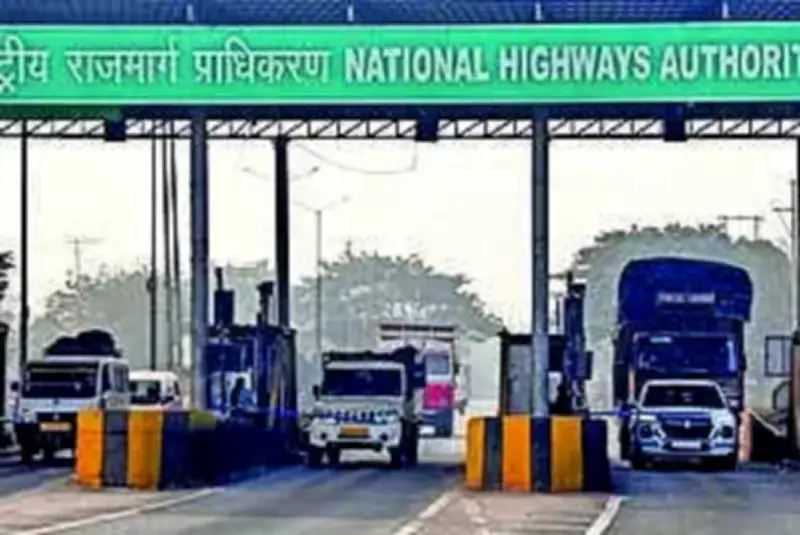
Delhi Civic Body Enforces Supreme Court Mandate on Enhanced Pollution Charges
In a decisive move to combat air pollution, the Municipal Corporation of Delhi (MCD) has issued directives to its toll tax department for the immediate implementation of revised Environment Compensation Charges (ECC). This action follows a recent Supreme Court order aimed at discouraging polluting commercial vehicles from entering the national capital.
Revised Fee Structure for Commercial Vehicles
The enhanced rates, applicable to all commercial vehicles entering Delhi, represent a significant increase in environmental levies. Under the new structure:
- Category 2 vehicles (light-duty vehicles) and Category 3 vehicles (two-axle trucks) will now pay Rs 2,000, up from the previous Rs 1,400.
- Category 4 vehicles (three-axle trucks) and Category 5 vehicles (four-axle trucks and above) face a steeper hike, with charges rising from Rs 2,600 to Rs 4,000.
Supreme Court Directive and Implementation Timeline
This regulatory adjustment stems from the Supreme Court's March 12 order in the longstanding MC Mehta vs Union of India case. The court mandated the ECC rate increase as a measure to curb vehicle pollution in Delhi. While approving the proposal from the Commission for Air Quality Management (CAQM), the Supreme Court specified that the revised rates should take effect from April 1. Additionally, the court authorized an annual 5 percent increase in these charges starting from the same date.

Technological Upgrades and Strategic Objectives
An official familiar with the matter confirmed that the civic body is not only implementing the Supreme Court's directions but also incorporating technological enhancements such as RFID integration to streamline the toll collection process. The primary objective of this move is to incentivize diesel commercial vehicles to utilize peripheral expressways rather than entering Delhi's congested urban areas.
Broader Traffic Management Initiatives
The Supreme Court has also instructed the MCD to rationalize its toll structure and conduct a comprehensive traffic study. Furthermore, the court emphasized coordination with the National Highways Authority of India to ensure better compliance, which may include the relocation of toll plazas where necessary. The court specifically highlighted that heavy vehicles not transporting essential goods should avoid entering the city altogether, reinforcing the broader goal of reducing vehicular pollution and improving air quality in the national capital.






