The dawn of 2026 brings a significant ray of hope for hundreds of young officer cadets who were medically discharged from India's premier military academies after suffering severe disabilities during training. For the first time, they are being enrolled in the Ex-Servicemen Contributory Health Scheme (ECHS), a move that is already slashing their crippling medical expenses.
A Lifeline After Years of Struggle
This crucial development follows a suo motu intervention by the Supreme Court in August 2025, prompted by a series of reports in The Indian Express highlighting the cadets' plight. Shortly after the court's notice, the Ministry of Defence issued an order extending ECHS facilities to these individuals. The scheme provides cashless treatment at military and empanelled hospitals across the country.
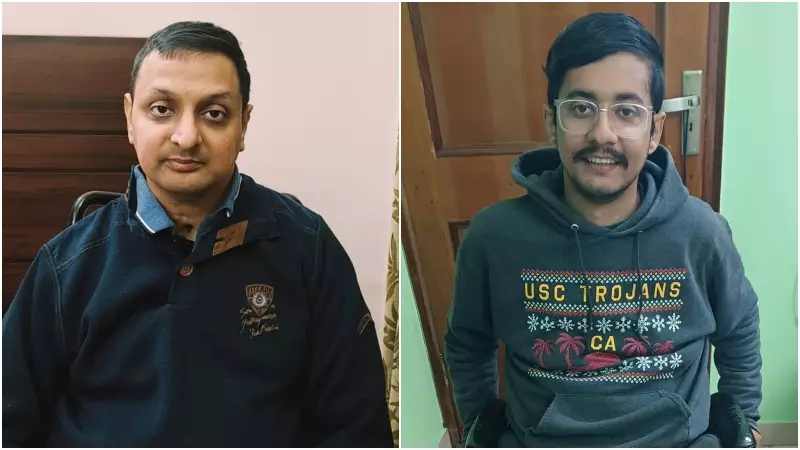
Among the first beneficiaries is Shubham Gupta (33) from Bathinda, Punjab, who suffered a cervical spinal injury leading to quadriplegia during his training at the National Defence Academy (NDA) in 2014. "I got my slip for the ECHS card in the first week of November," Shubham said. For Kartik Sharma (27) from Bilaspur, who also lives with quadriplegia from a 2021 NDA training injury, the ECHS slip has meant immediate financial relief. "This has come down by about Rs 10,000 after I got ECHS facilities," he stated, referring to his family's previous monthly medical bill of around Rs 40,000.
The Financial Burden and the Road Ahead
For years, these cadets and their families were trapped in a cycle of despair, relying on an ex-gratia payment that fell drastically short of their medical needs. The stories are harrowing: Kishan Kulakarni (25), bedridden for five years after a cardiac arrest and brain injury during training, requires medicines and daily injections costing Rs 13,200 monthly. Vickrant Raj (26) faced a monthly medical bill of approximately Rs 95,000 against an ex-gratia of only Rs 40,000.
According to Ankur Chaturvedi, a former NDA cadet advocating for these cadets, about 65 disabled officer cadets have applied for ECHS cards since the August order, with around 41 verified and 39 temporary slips issued. The Defence Ministry has waived the one-time contributory fee of up to Rs 1.2 lakh for these cadets.
However, the battle is only half-won. The cadets emphasize that their larger fight continues for two critical entitlements: a disability pension and formal ex-serviceman status. Currently, they receive only an ex-gratia payment and do not hold the official status granted to those inducted into the armed forces.
Supreme Court Hearings and Future Demands
The Supreme Court, which has held five hearings since August with the next scheduled for January 20, 2026, has appointed an amicus curiae. The amicus has submitted a report with key recommendations that could transform the cadets' lives:
- Extend full ECHS benefits to bring cadets disabled in training at par with other ex-servicemen.
- Provide disability pension (not ex-gratia) at officer rates, with recognition as ex-servicemen.
- Offer full rehabilitation support including prosthetics, physiotherapy, and mental health care.
- Absorb disabled officer cadets in allied defence fields like the Military Engineering Service or DRDO in non-combat roles.
The court has directed the government to ensure these suggestions are examined by the Service Headquarters, with the Ministries of Defence and Finance jointly considering the recommendations. Sources indicate that the report has been sent to the three armed services, all of which have responded positively.
"I hope that with the Amicus' submissions and positive concurrence of the Service Headquarters, the core issue of disability pension and long-term livelihood protection will be resolved soon," said Chaturvedi. For around 500 cadets disabled since 1985, the new year's hope is now tethered to the outcome of this legal fight for dignity and rightful entitlement.