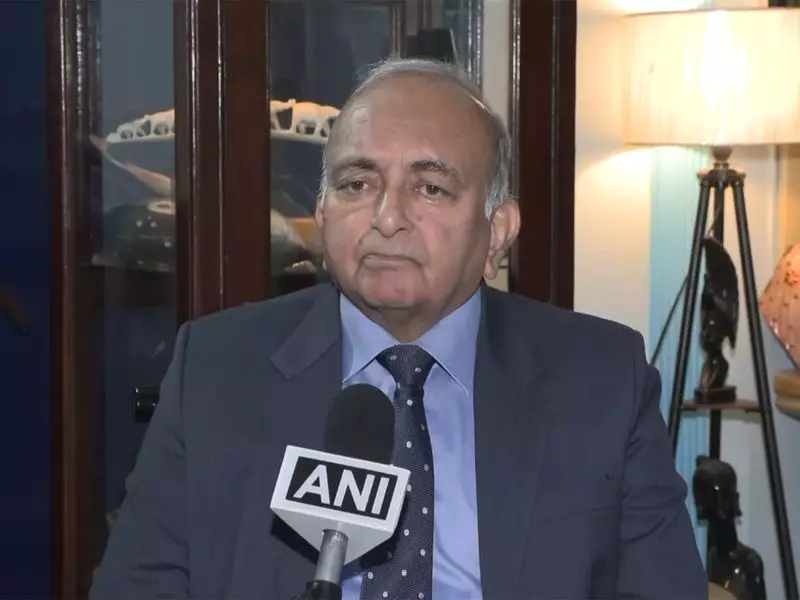
India and Bangladesh, long considered a model of successful bilateral partnership in South Asia, are currently navigating a period of significant strain. This assessment comes from Mahesh Sachdev, a former Indian diplomat with extensive experience in the region. The once-celebrated relationship, which saw a 'golden chapter' under the tenures of Prime Ministers Sheikh Hasina and Narendra Modi, is now grappling with a series of complex challenges that threaten to undermine mutual trust and cooperation.
Key Pressure Points in the Bilateral Relationship
According to Mahesh Sachdev, several critical issues have converged to create the current friction. A primary source of discontent is the perceived growing trade imbalance heavily in India's favor. Bangladesh's business community and policymakers are increasingly vocal about their concerns regarding this disparity, which they feel hampers their economic growth.
Another long-standing and emotionally charged issue is the sharing of waters from the Teesta River. Despite years of negotiations and promises, a final agreement remains elusive. This delay is a persistent sore point for Dhaka and is often seen as a symbol of India's inability to deliver on major bilateral commitments. Furthermore, Sachdev points to China's expanding economic and strategic footprint in Bangladesh as a factor that complicates the India-Bangladesh dynamic, introducing an element of geopolitical competition.

Domestic Politics and Regional Diplomacy
The internal political landscape in Bangladesh also plays a crucial role. Mahesh Sachdev notes that the January 2024 general elections in Bangladesh, which returned Sheikh Hasina to power, were a focal point. While India welcomed the outcome, the electoral process was scrutinized by Western nations, creating a diplomatic scenario where Dhaka may feel its partnership with New Delhi comes with certain costs in its relations with other global powers.
Additionally, there are concerns in India about cross-border issues like illegal immigration and smuggling. From the Bangladeshi perspective, there is lingering frustration over India's implementation of the National Register of Citizens (NRC) in Assam, which raised anxieties about the potential statelessness of people, many of whom are of Bengali origin.
The Path Forward: Navigating the Complexities
Despite these tensions, Mahesh Sachdev emphasizes that the foundational strengths of the relationship remain. The deep cultural, linguistic, and historical ties between the two peoples are undeniable. The economic interdependence is vast, with India being a key development partner and a major market for Bangladeshi goods.
To navigate this difficult phase, Sachdev suggests that high-level political engagement and sensitive diplomacy are urgently needed. Addressing the trade deficit through concrete measures, making tangible progress on the Teesta agreement, and managing security concerns with empathy are critical steps. Both nations, he argues, must move beyond rhetoric and work on delivering on pending promises to restore confidence and ensure that the strategic partnership continues to serve the interests of both countries in an evolving regional landscape.
The coming months will be a crucial test for the diplomatic machinery on both sides. The ability to manage these disagreements while focusing on the larger picture of shared prosperity and regional stability will define the next chapter in India-Bangladesh relations.