

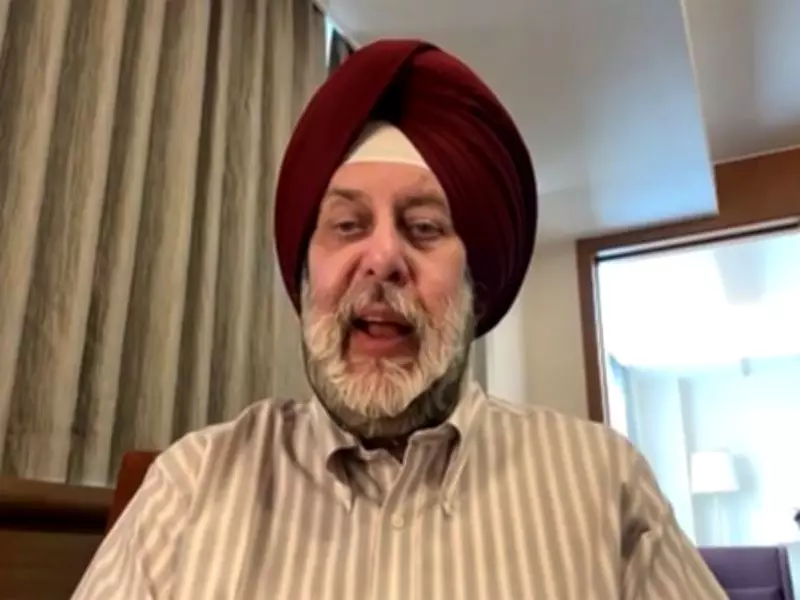
Former Diplomat Manjeev Singh Puri Weighs In on KP Oli's Arrest
In a recent development, former Indian diplomat Manjeev Singh Puri has commented on the arrest of Nepal's former Prime Minister KP Sharma Oli. Puri, who served as India's Ambassador to Nepal from 2015 to 2017, emphasized that the legal process must be allowed to proceed without interference, highlighting the importance of judicial independence in such matters.
Background of the Case
KP Oli, a prominent political figure in Nepal and the leader of the Communist Party of Nepal (Unified Marxist–Leninist), was arrested on charges related to alleged corruption and misuse of authority during his tenure as prime minister. The arrest has sparked significant political debate in Nepal, with supporters and critics voicing strong opinions on the matter.
Manjeev Singh Puri, known for his diplomatic expertise in South Asian affairs, stated that while the arrest is a domestic issue for Nepal, it underscores the broader principles of rule of law and accountability in governance. He noted that such cases should be handled strictly within the framework of Nepal's legal system, ensuring fairness and transparency.

Puri's Emphasis on Legal Due Process
In his remarks, Puri stressed that "the law must take its course", implying that no individual, regardless of their political stature, should be above the law. He pointed out that judicial processes must be respected to maintain public trust in democratic institutions. This stance aligns with international norms on justice and human rights, which advocate for impartial legal proceedings.
Puri also highlighted the potential implications for Nepal's political stability, suggesting that a transparent legal outcome could reinforce democratic values in the region. He cautioned against external influences or political pressures that might undermine the integrity of the investigation and trial.
Reactions and Broader Context
The arrest of KP Oli has drawn attention from various quarters, including:
- Political analysts who view it as a test of Nepal's judicial independence.
- International observers monitoring the situation for its impact on regional diplomacy.
- Civil society groups advocating for anti-corruption measures in South Asia.
Puri's comments come at a time when Nepal is navigating complex political dynamics, with ongoing debates over governance reforms and anti-corruption efforts. His perspective as a former diplomat adds weight to the discussion, given his experience in fostering bilateral relations between India and Nepal.
Conclusion
Manjeev Singh Puri's statement reinforces the necessity for legal due process in high-profile cases like KP Oli's arrest. By advocating for judicial independence and rule of law, he underscores critical principles that are essential for democratic governance. As the case unfolds, it will be closely watched for its adherence to these standards and its broader implications for Nepal's political landscape.






