

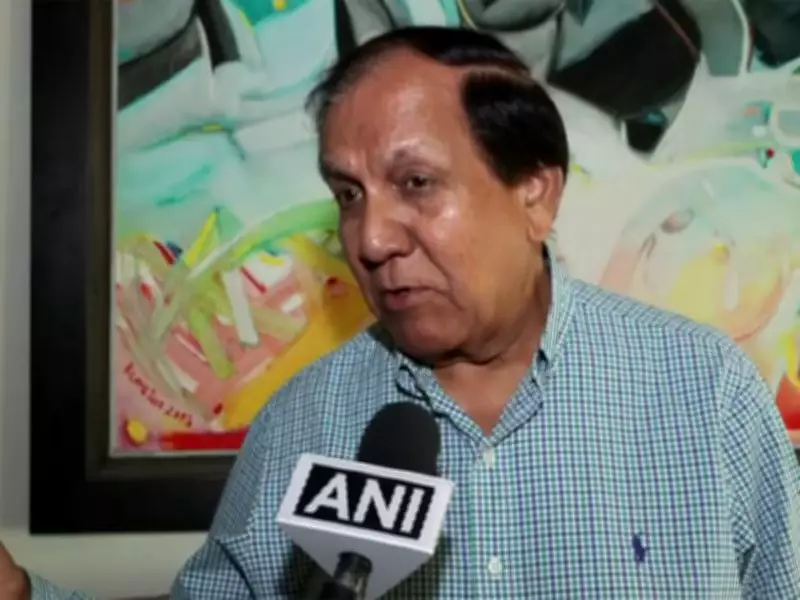
Former Senior Diplomat Surendra Kumar Urges Caution on West Asia Remarks, Calls for Concrete Peace Outcome
In a significant intervention, former senior diplomat Surendra Kumar has issued a strong caution against making hasty or ill-considered remarks regarding the volatile West Asia region. He emphasized that such statements could exacerbate tensions and undermine diplomatic efforts aimed at fostering stability.
Kumar's Call for Prudent Diplomacy
Surendra Kumar, who has extensive experience in international affairs, stressed the importance of measured and thoughtful communication from all stakeholders involved in West Asian geopolitics. He pointed out that the region, plagued by long-standing conflicts and complex political dynamics, requires a nuanced approach rather than impulsive declarations.
"Words have power, and in a region as sensitive as West Asia, they can either pave the way for peace or fuel further discord," Kumar stated, highlighting the critical role of diplomatic language in shaping outcomes.

Demand for Tangible Peace Results
Beyond urging caution, Kumar called for a shift from mere rhetoric to actionable steps that lead to concrete peace outcomes. He argued that the international community must move beyond symbolic gestures and focus on implementing sustainable solutions that address the root causes of conflicts in West Asia.
"It is not enough to talk about peace; we must see tangible results that improve the lives of people in the region," he asserted, advocating for initiatives such as:
- Enhanced diplomatic dialogues between conflicting parties
- Economic cooperation projects to build trust
- Humanitarian aid and development programs
- International monitoring mechanisms for peace agreements
Context and Implications
West Asia, encompassing countries like Iran, Israel, Saudi Arabia, and others, has been a hotspot for geopolitical tensions, including territorial disputes, proxy wars, and ideological clashes. Kumar's remarks come at a time when global powers are increasingly vocal about their stances, often leading to polarized debates.
His cautionary stance serves as a reminder of the delicate balance required in international diplomacy, where every statement can have far-reaching consequences. By calling for concrete peace outcomes, Kumar aligns with broader efforts to promote stability and prosperity in a region critical to global security.
In conclusion, Surendra Kumar's intervention underscores the need for responsible diplomacy and results-oriented approaches in addressing West Asia's challenges, urging all actors to prioritize peace over politics.






