

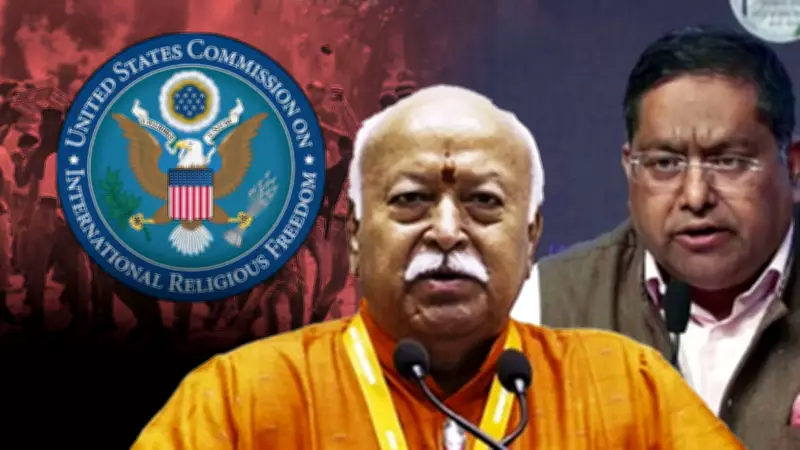
275 Former Indian Officials Decry USCIRF Report as 'Selective Narrative'
A powerful coalition of 275 former Indian judges, civil servants, diplomats, and military veterans has issued a scathing rebuke of a recent report by the United States Commission on International Religious Freedom (USCIRF), labeling it as biased and lacking in balance. In a strongly worded joint statement, these distinguished individuals have raised serious concerns over the methodology and conclusions presented in the document, which they argue paints a distorted picture of India's social and political landscape.
Methodological Flaws and Selective Data Highlighted
The group specifically questioned the report's approach, emphasizing that such critical assessments should be grounded in comprehensive, long-term data rather than relying on selective accounts or anecdotal evidence. They pointed to India's census trends as a key indicator, noting that minority populations in the country have not only remained stable but have actually increased over time. This demographic reality, they argue, directly contradicts the report's underlying assumptions about religious freedom issues in India.
Defense of Indian Institutions and Democratic Framework
Beyond methodological concerns, the former officials took particular exception to the report's criticism of Indian institutions and its specific policy recommendations. They singled out suggestions for sanctions related to the Rashtriya Swayamsevak Sangh (RSS) as particularly problematic, arguing that such measures would be inappropriate and counterproductive. The statement firmly described India as a robust democracy with strong constitutional protections and independent institutions capable of addressing any challenges internally.

The collective urged the United States government to thoroughly re-examine the USCIRF report and carefully review the credibility of its contributors. They emphasized the importance of basing international policy decisions on accurate, balanced information rather than what they characterized as a selective narrative that fails to capture India's complex social reality.
This significant pushback from such a large group of respected former officials represents a notable development in the ongoing dialogue about religious freedom assessments and international perceptions of India's democratic institutions. The statement serves as a reminder of the sensitivity surrounding external evaluations of India's internal affairs and the importance of methodological rigor in such reports.






