

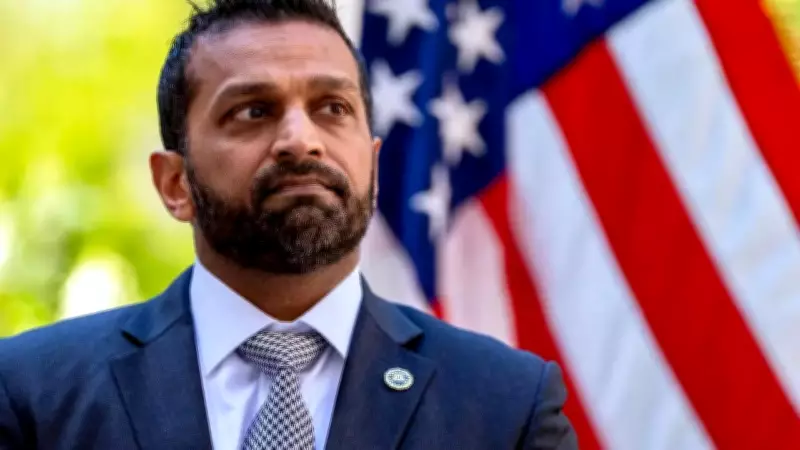
Explosive Allegations Against FBI Director Spark Intense Legal and Media Battle
A significant controversy has erupted following an exclusive investigative report by The Atlantic, which alleges that FBI Director Kash Patel has been struggling with a drinking problem that is reportedly known within the administration. The publication's journalist, Sarah Fitzpatrick, detailed multiple instances where Patel's security detail allegedly faced difficulties waking him due to apparent intoxication.
Journalist Stands Firm on Reporting Amid Legal Threats
Sarah Fitzpatrick, an award-winning investigative journalist, has emphatically stated that she stands by every word of her reporting. She asserted that The Atlantic possesses excellent legal representation prepared to defend the story, noting that she thoroughly cross-checked accounts with sources including the White House and Department of Justice, neither of which disputed the allegations.
"This is telling," Fitzpatrick commented regarding a statement from Patel's advisor Erica Knight threatening legal action. Fitzpatrick further suggested that Patel employs polygraph tests against individuals, creating an environment where people are reluctant to go on record.

Advisers Push Back Against Atlantic's Claims
Erica Knight, an advisor to Kash Patel, strongly contested The Atlantic's reporting, characterizing it as a story that every legitimate Washington D.C. reporter had pursued but ultimately abandoned due to verification challenges. "Journalists have resorted to listening to disgruntled biased claims backed up by their anonymous disgruntled friends to set a narrative. Gossipy fiction might get clicks, but the truth gets results," Knight wrote in her response.
Clint Brown, who served as Patel's transition sherpa, provided a vigorous defense, stating he spent nearly every day with Patel for over three months during the transition period. "I've never once seen him over drink. Not once. You are spinning that narrative because you know POTUS doesn't view that favorably, even admitted as much in your story," Brown posted, questioning why The Atlantic did not contact him for their reporting.
Legal Warnings Preceded Publication
The Binnall Law Group, representing Director Patel, revealed they had sent a formal letter to The Atlantic prior to publication, warning against running the story. The letter explicitly stated that should the publication proceed with what they termed false allegations, Patel would take swift legal action to protect his reputation. The legal team identified seven specific claims about Patel's drinking as completely false and demanded their removal.
In a recent social media post addressing the controversy, Patel wrote: "Memo to the fake news - the only time I'll ever actually be concerned about the hit piece lies you write about me will be when you stop. Keep talking, it means I'm doing exactly what I should be doing. And no amount of BS you write will ever deter this FBI from making America safe again and taking down the criminals you love."
The escalating conflict has now taken center stage in Washington media circles, highlighting tensions between investigative journalism and political reputation management. Both sides appear prepared for a prolonged confrontation, with legal action looming as a distinct possibility should the dispute remain unresolved.






